Sternwheeler.org
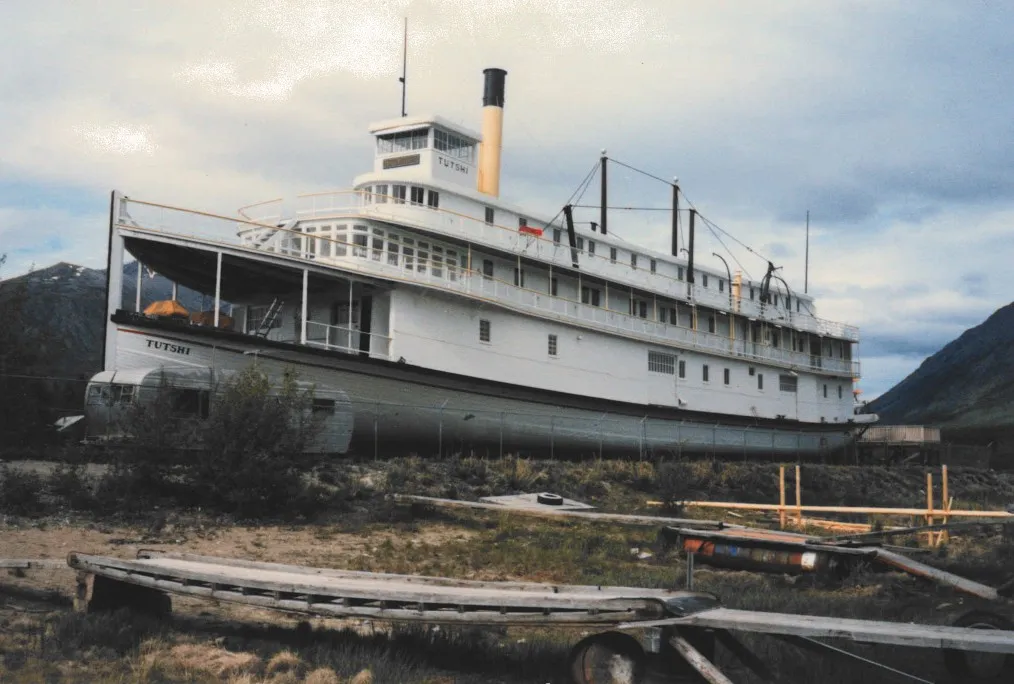
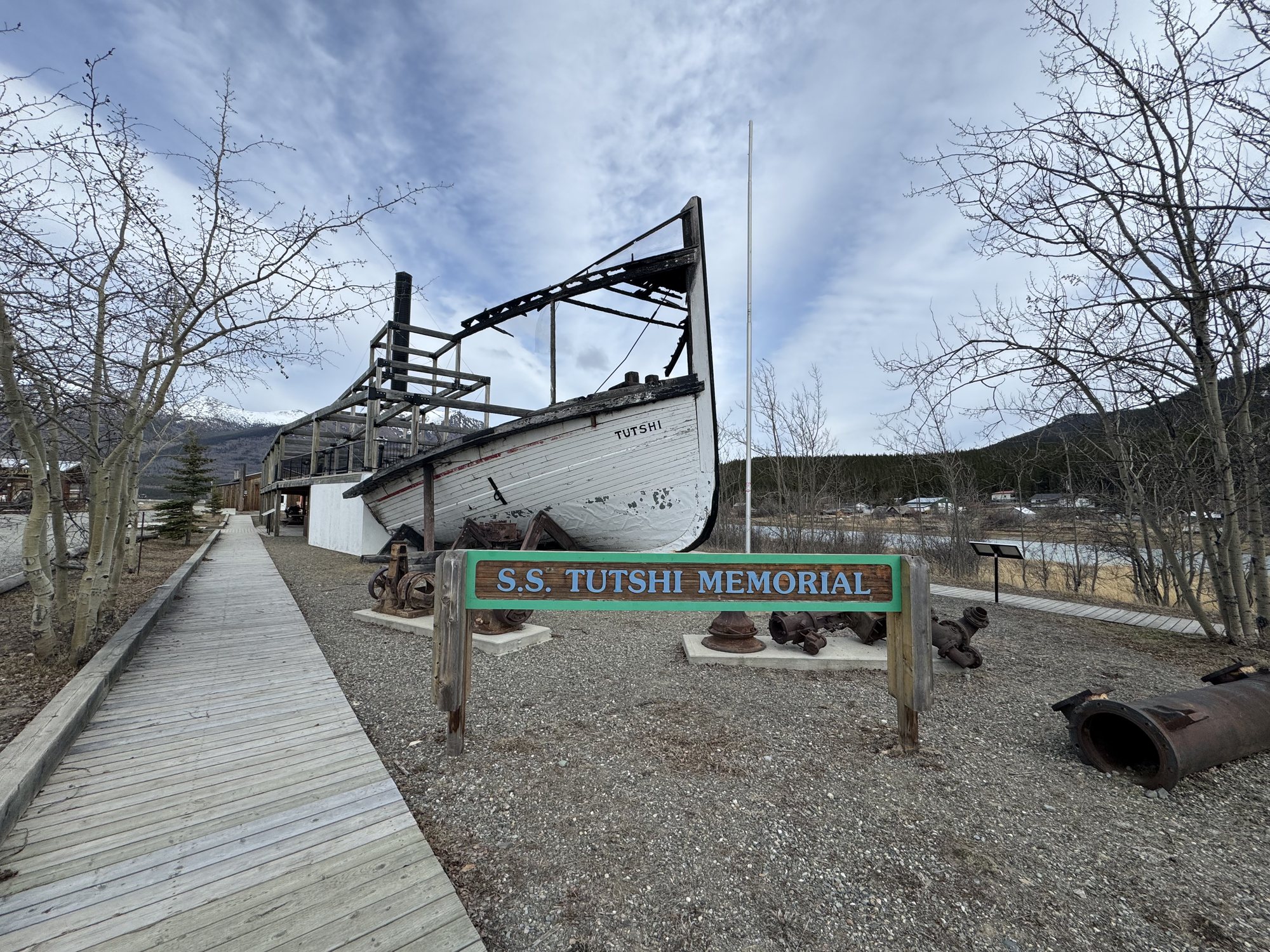
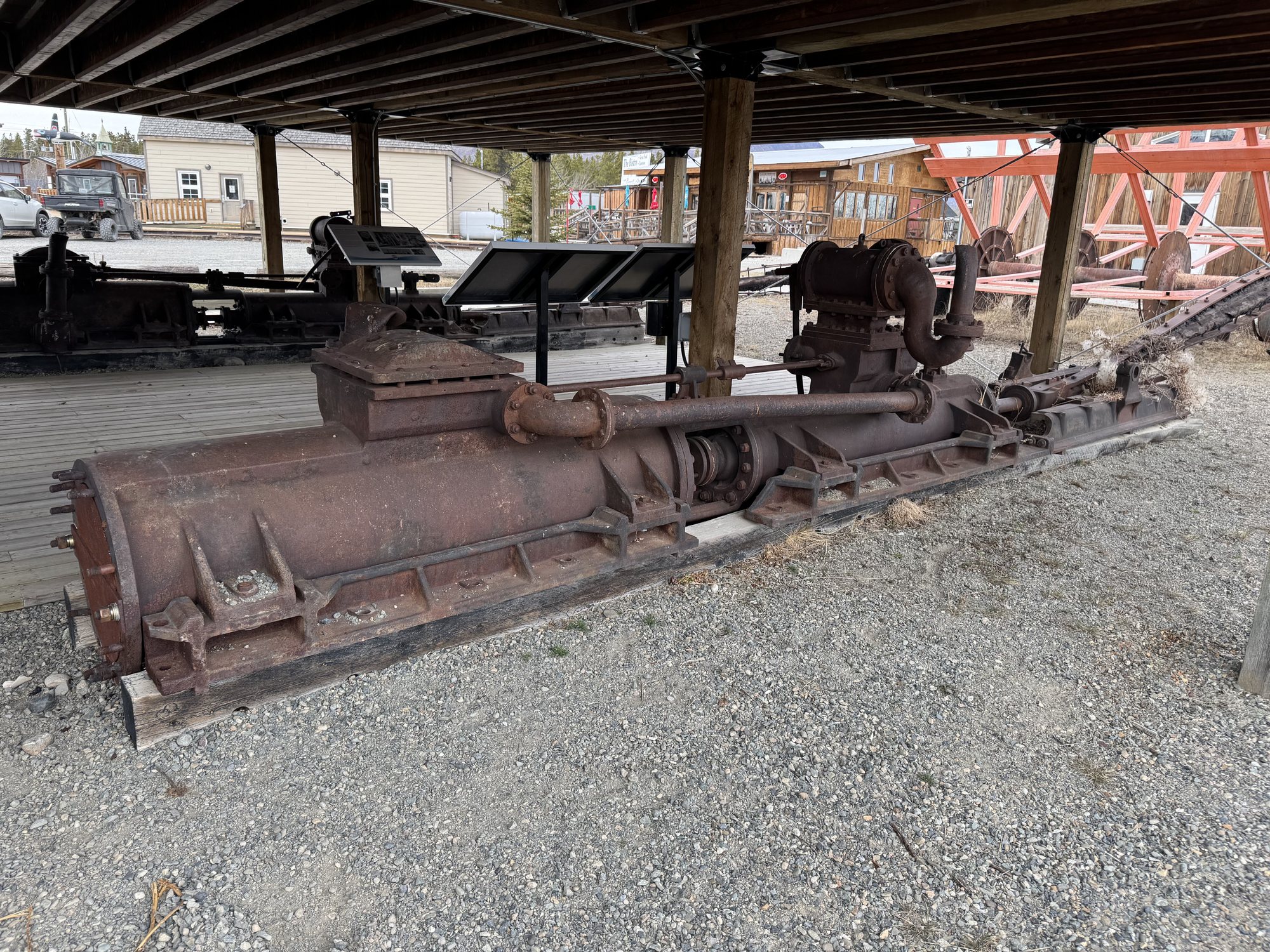
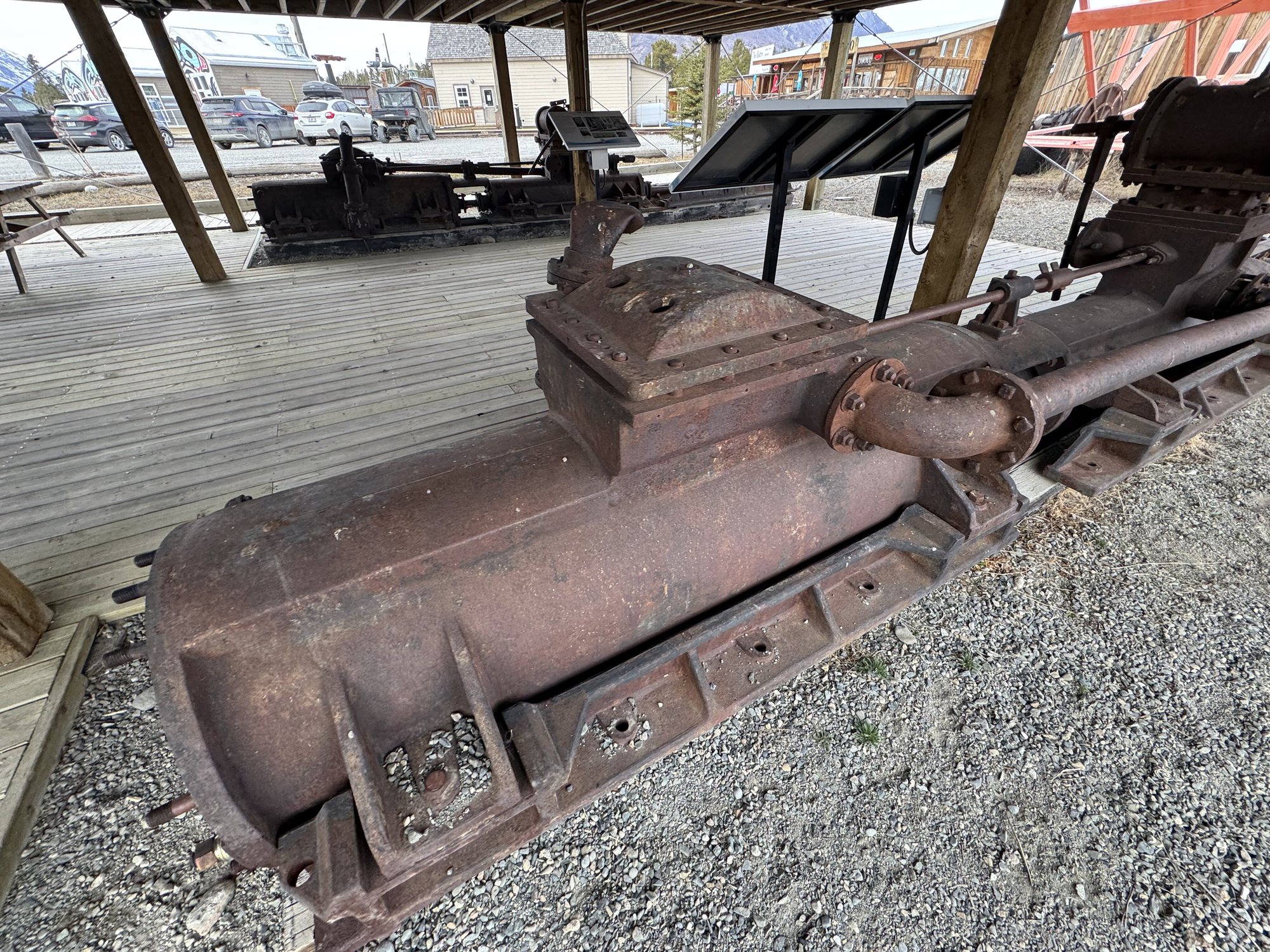
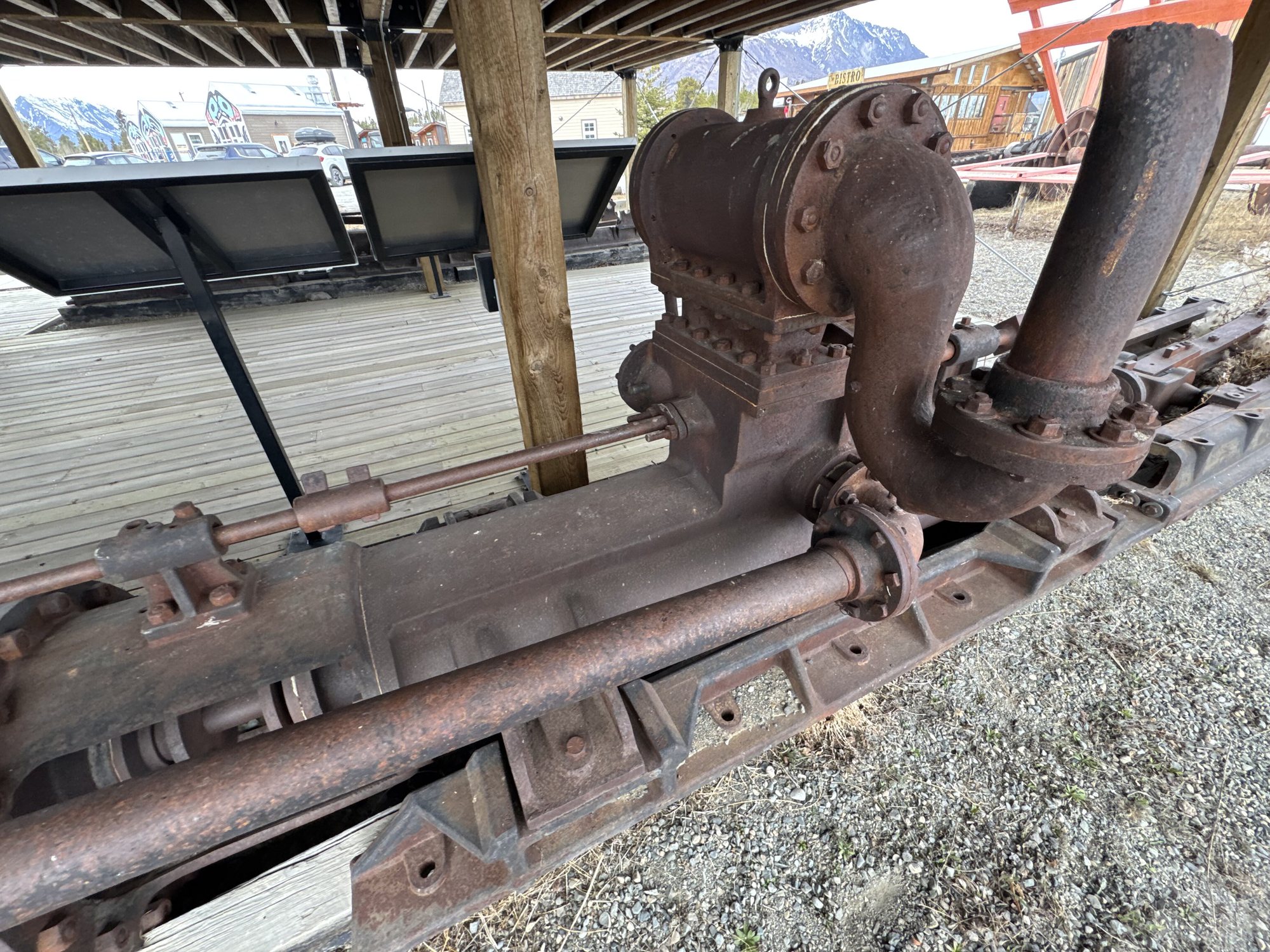
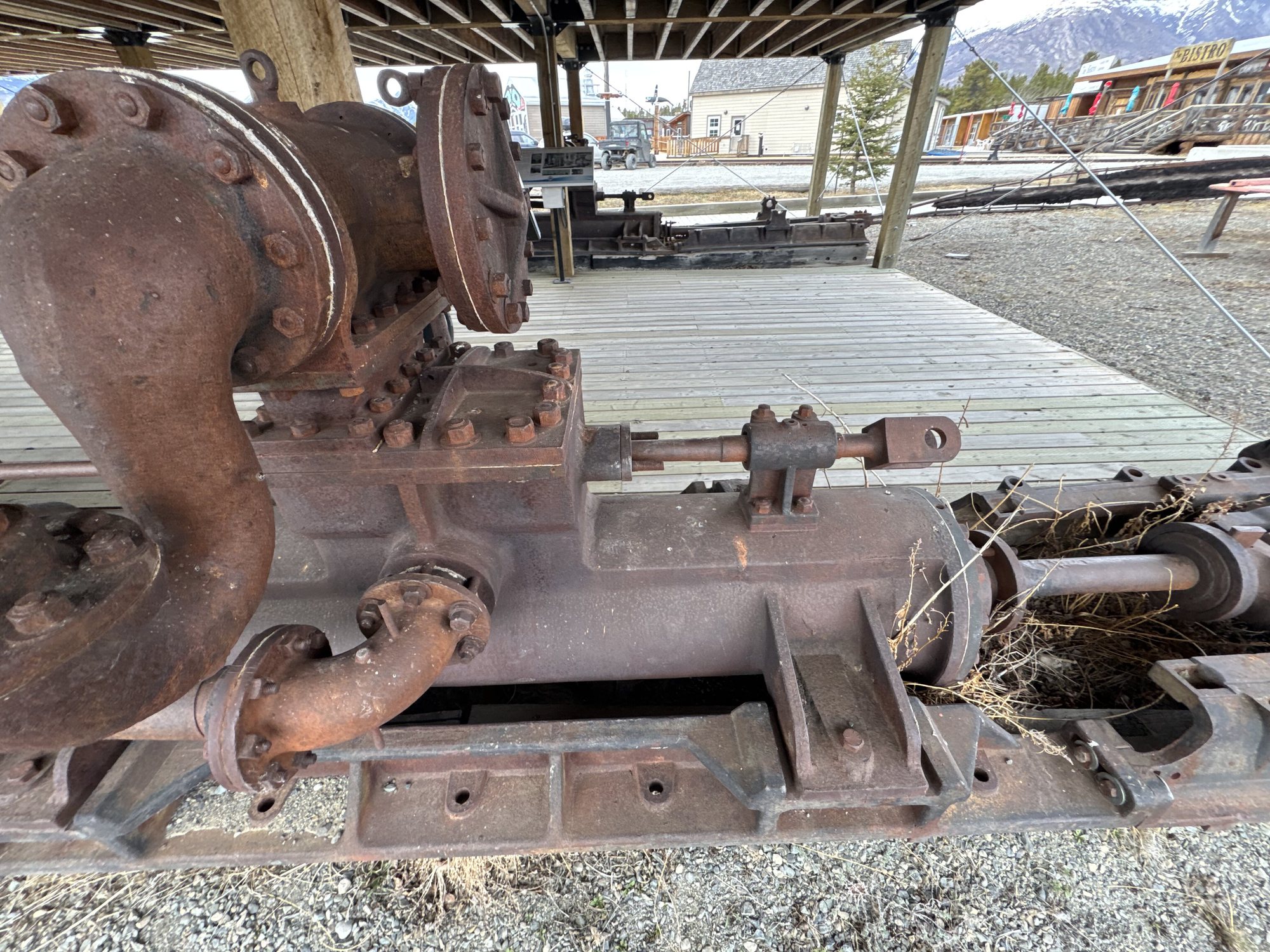
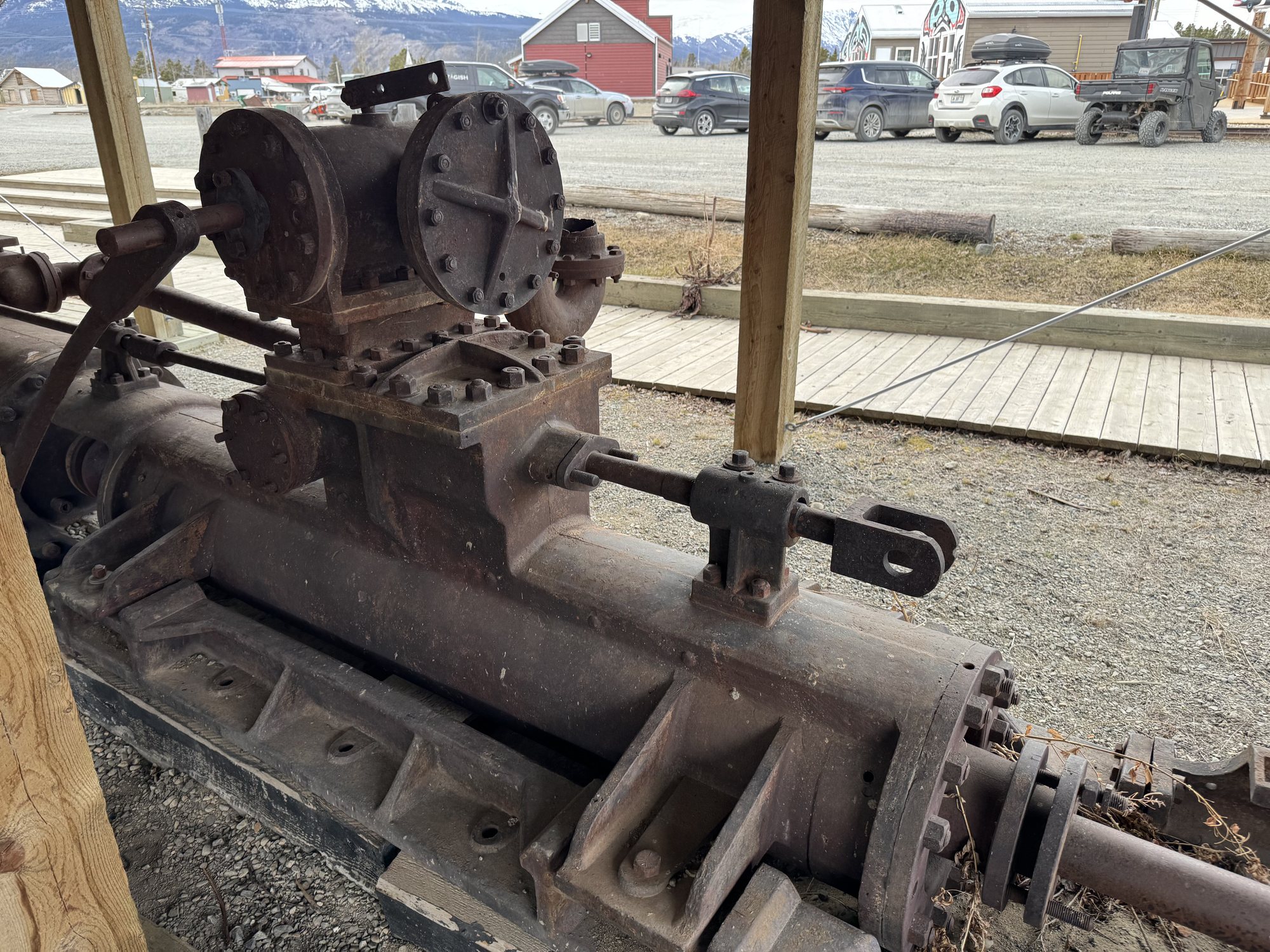
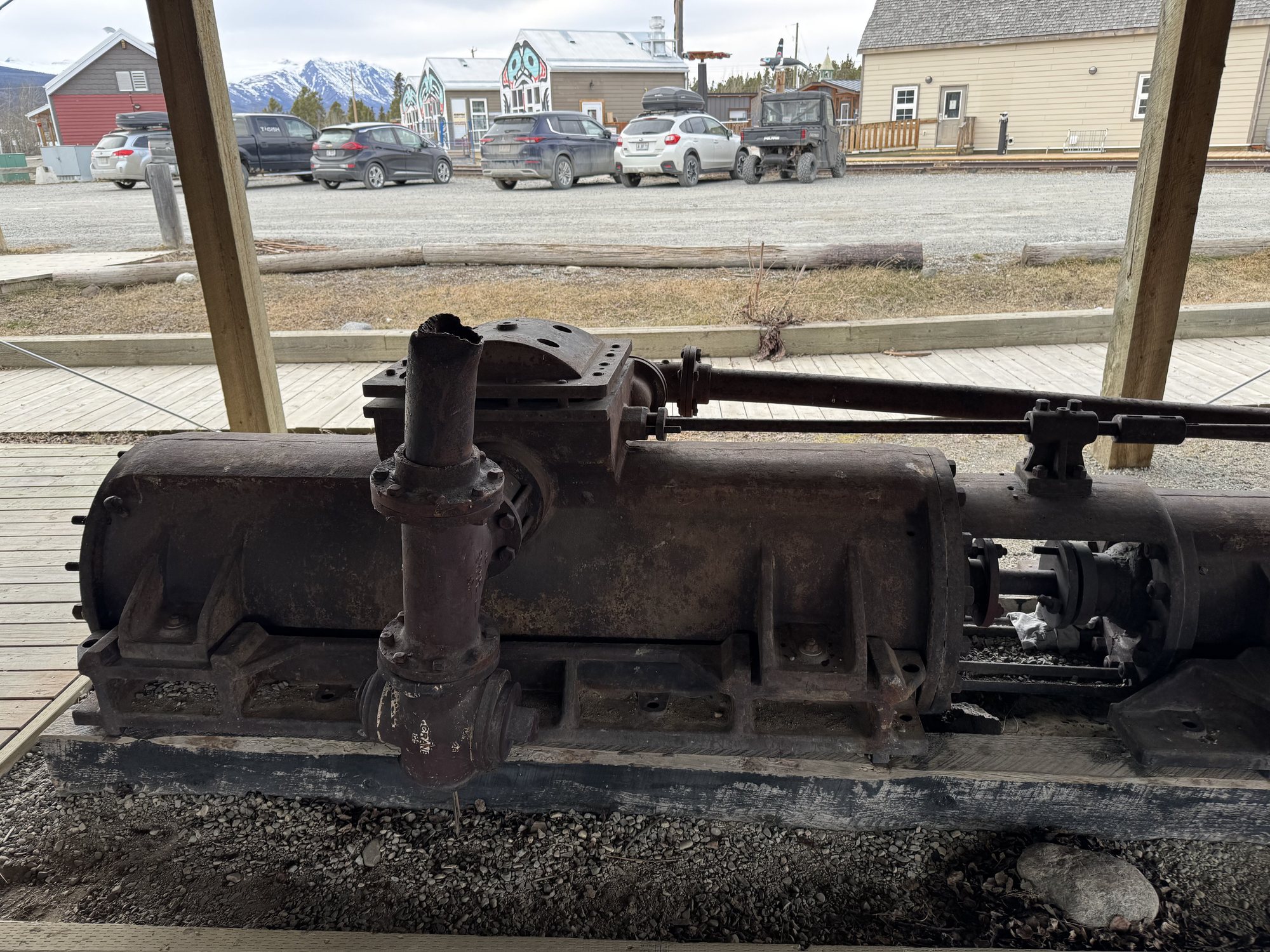
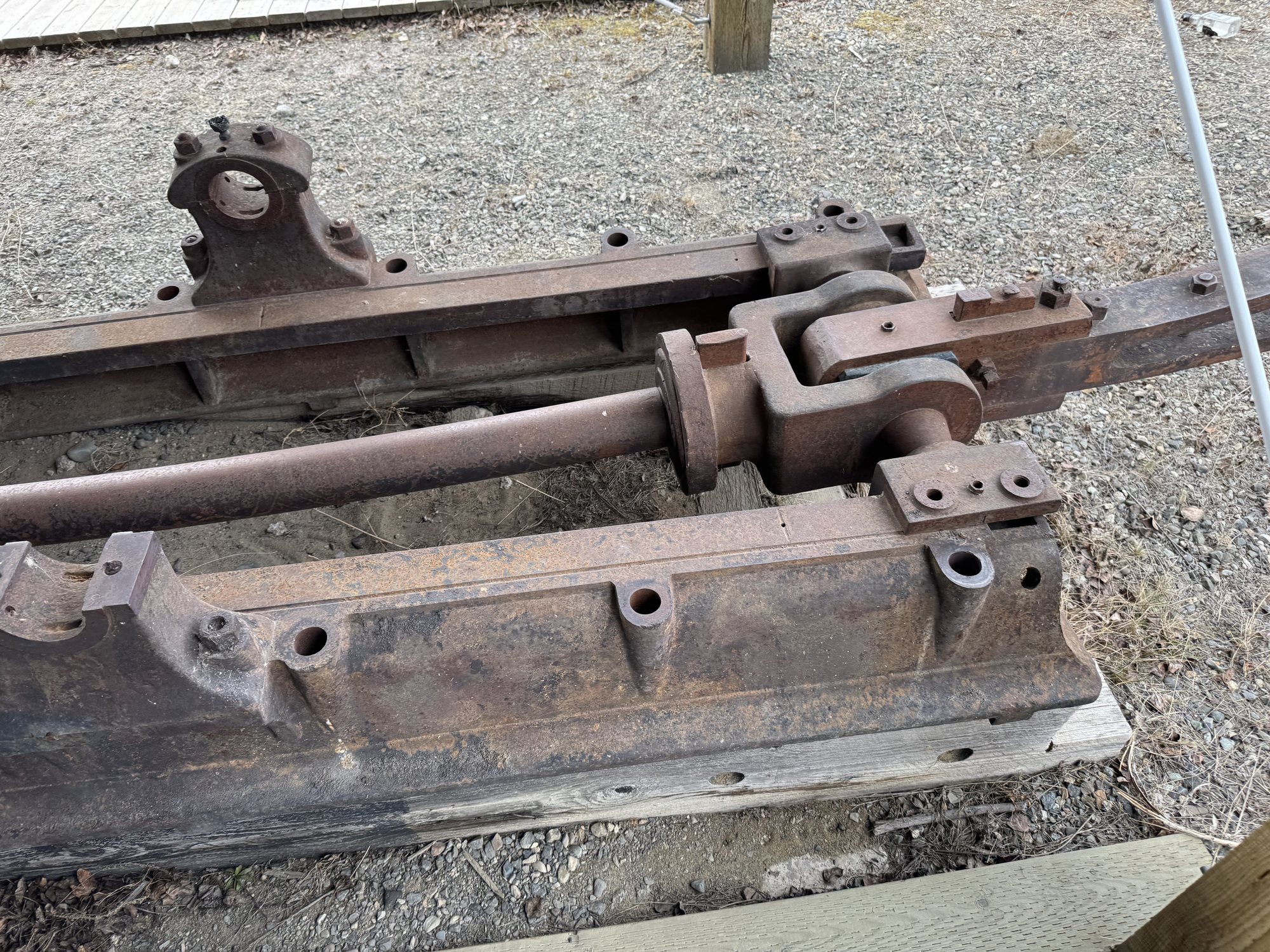
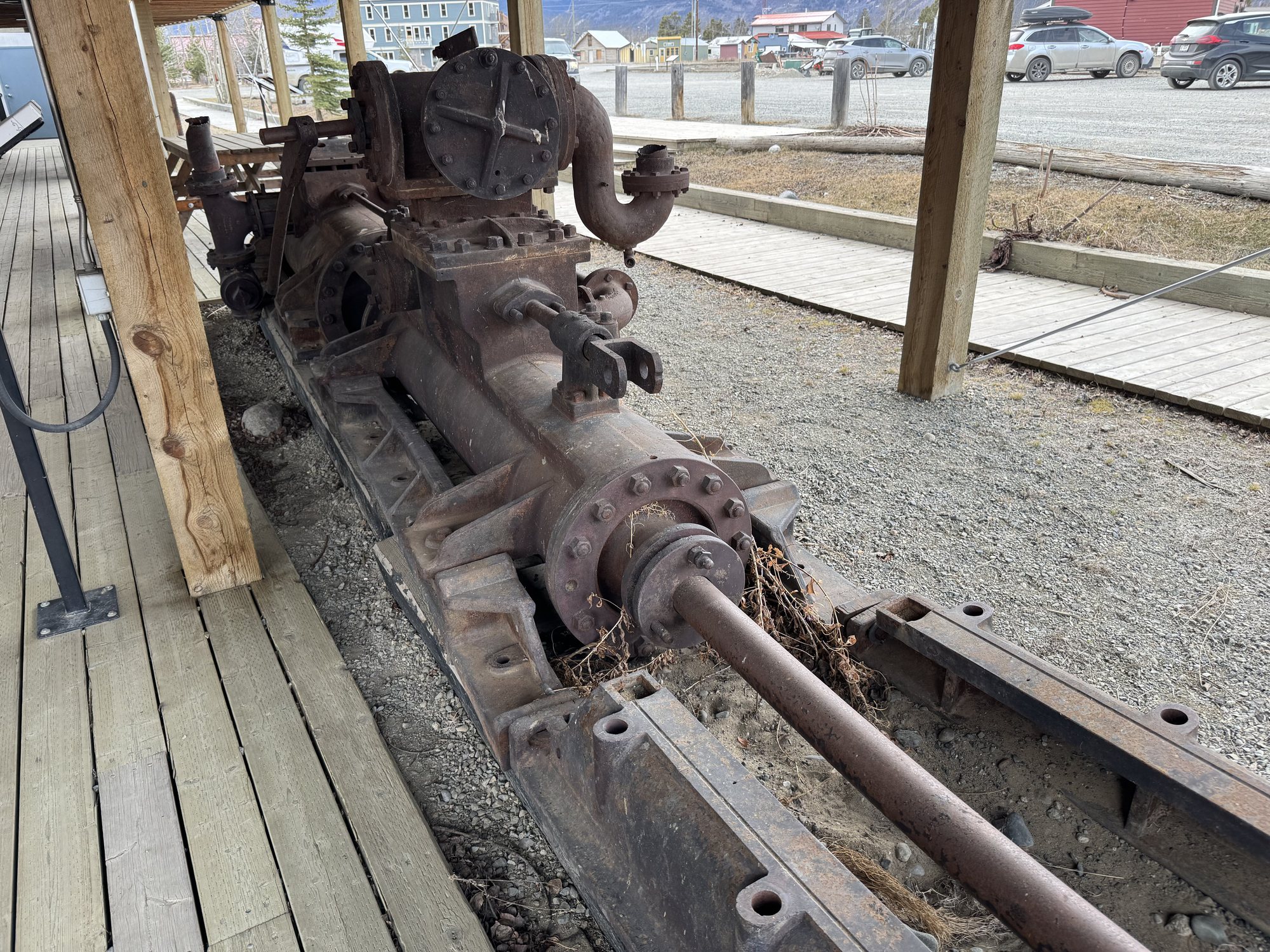
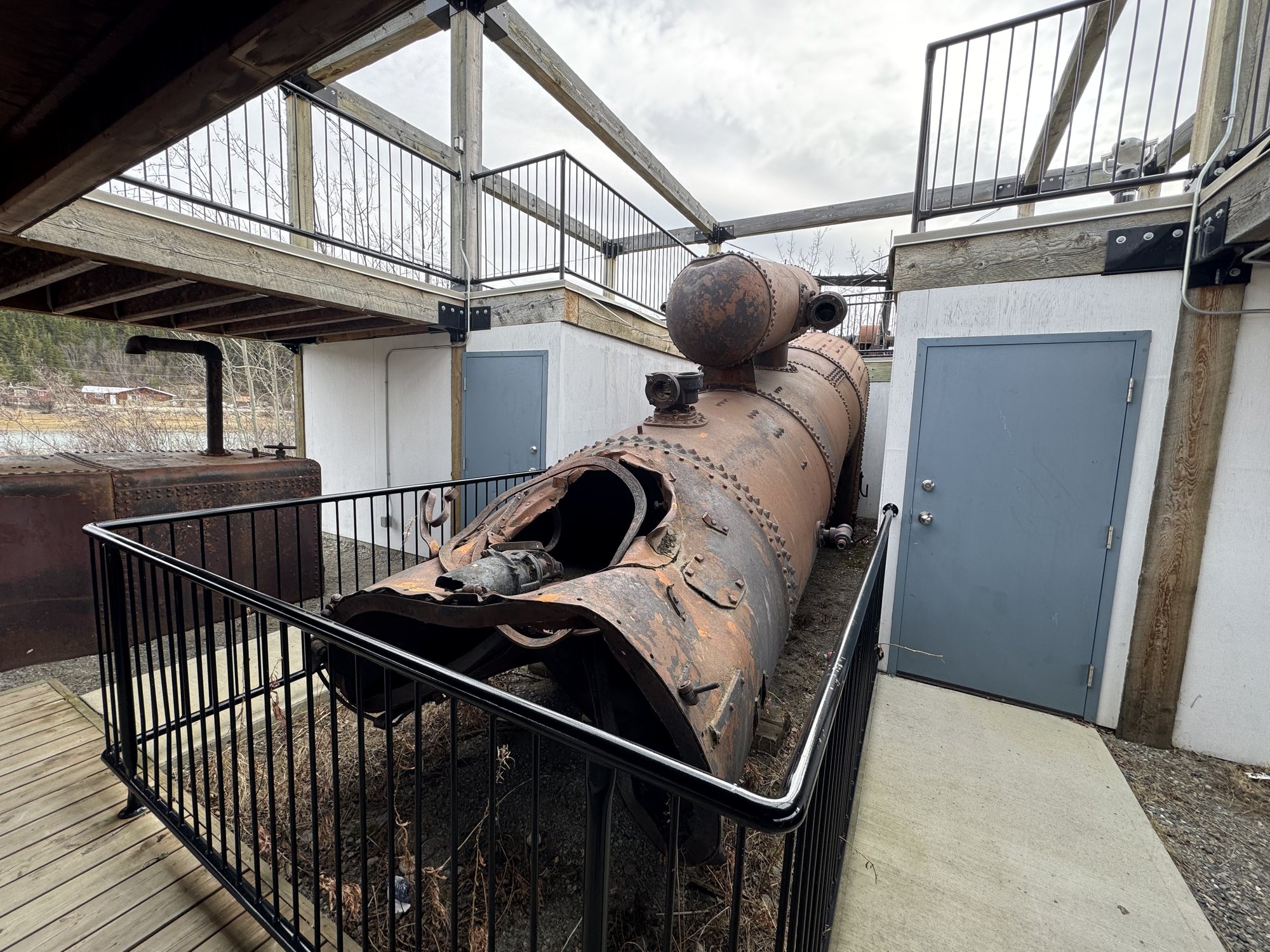
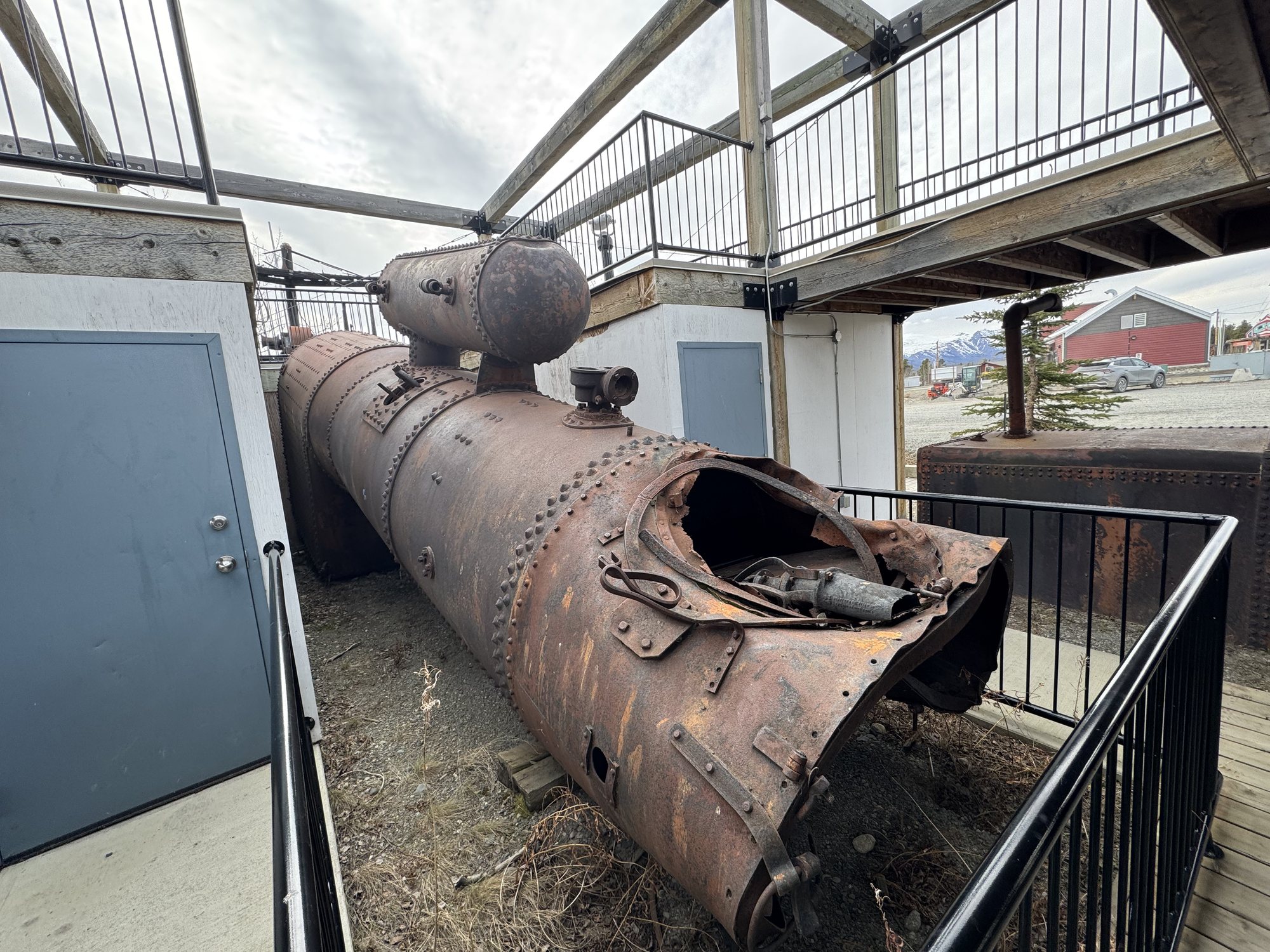
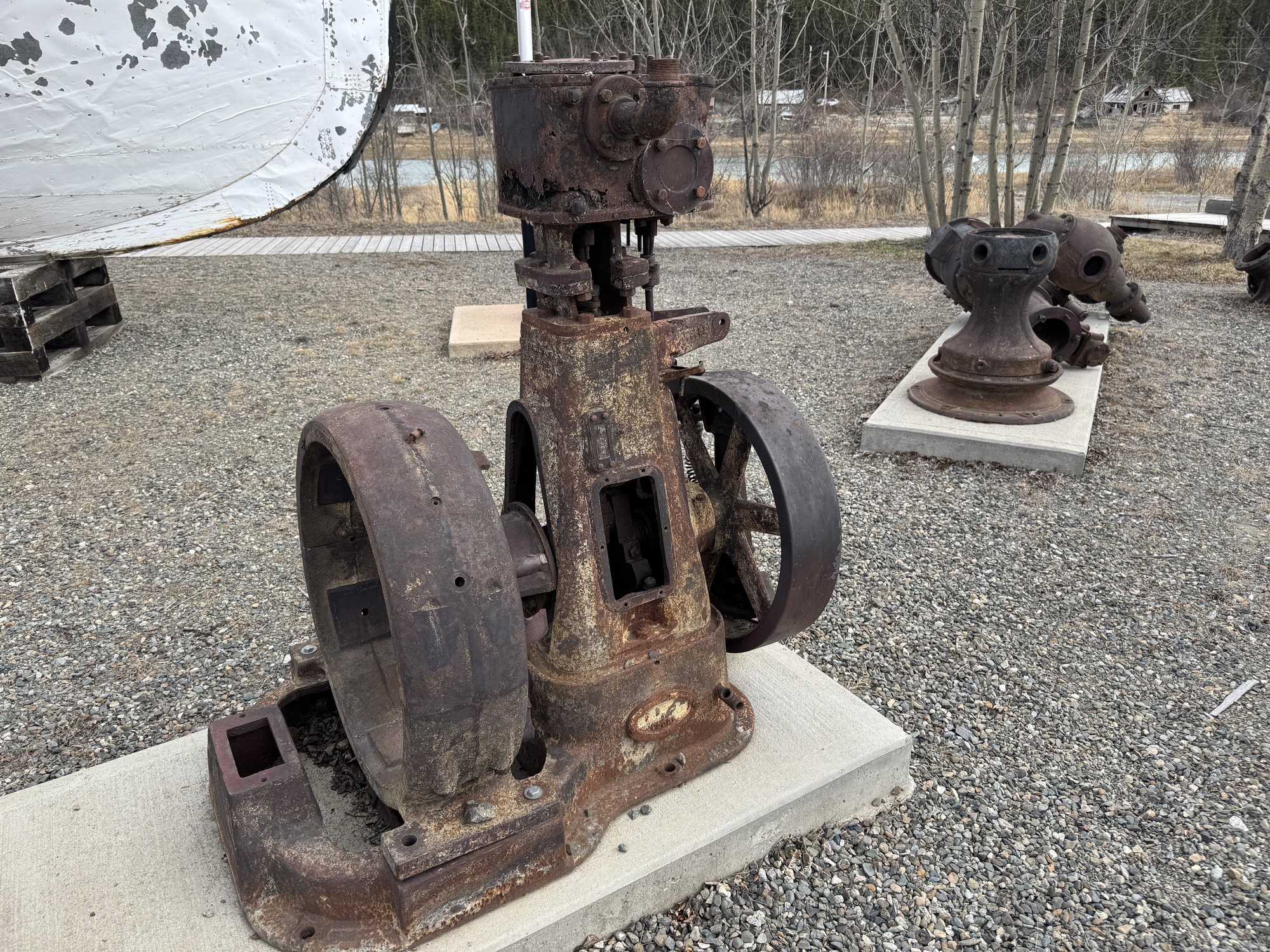
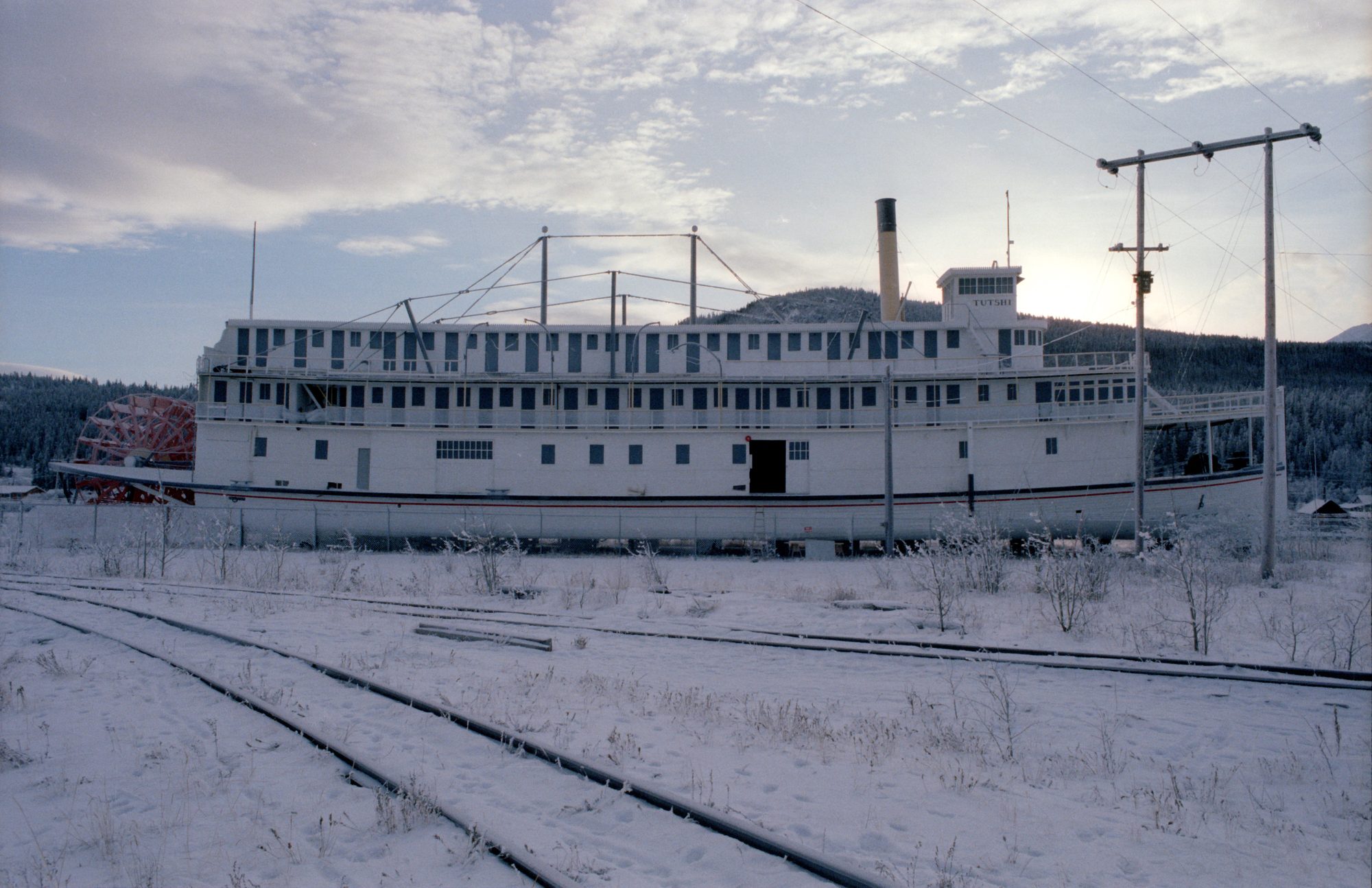
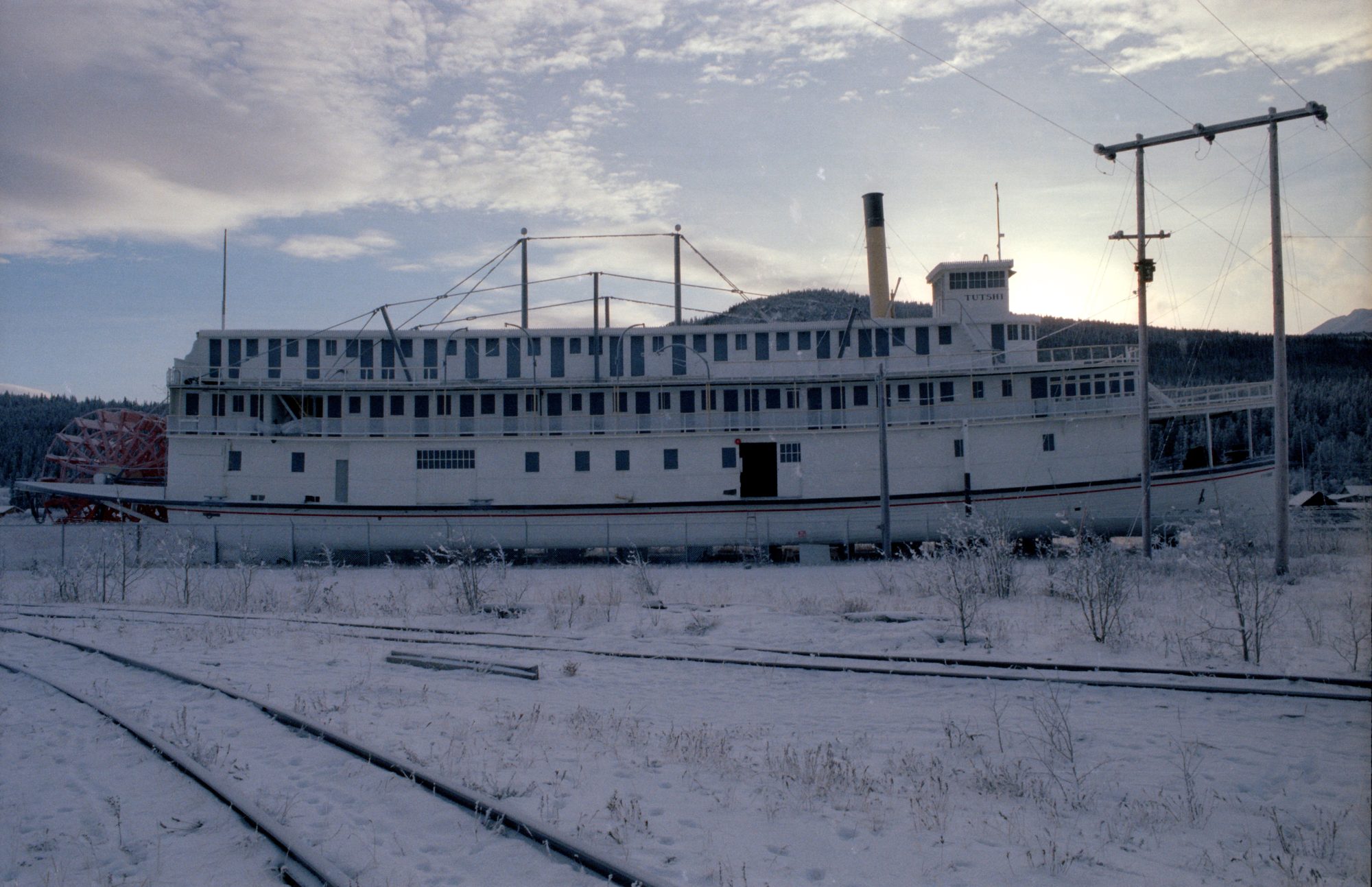
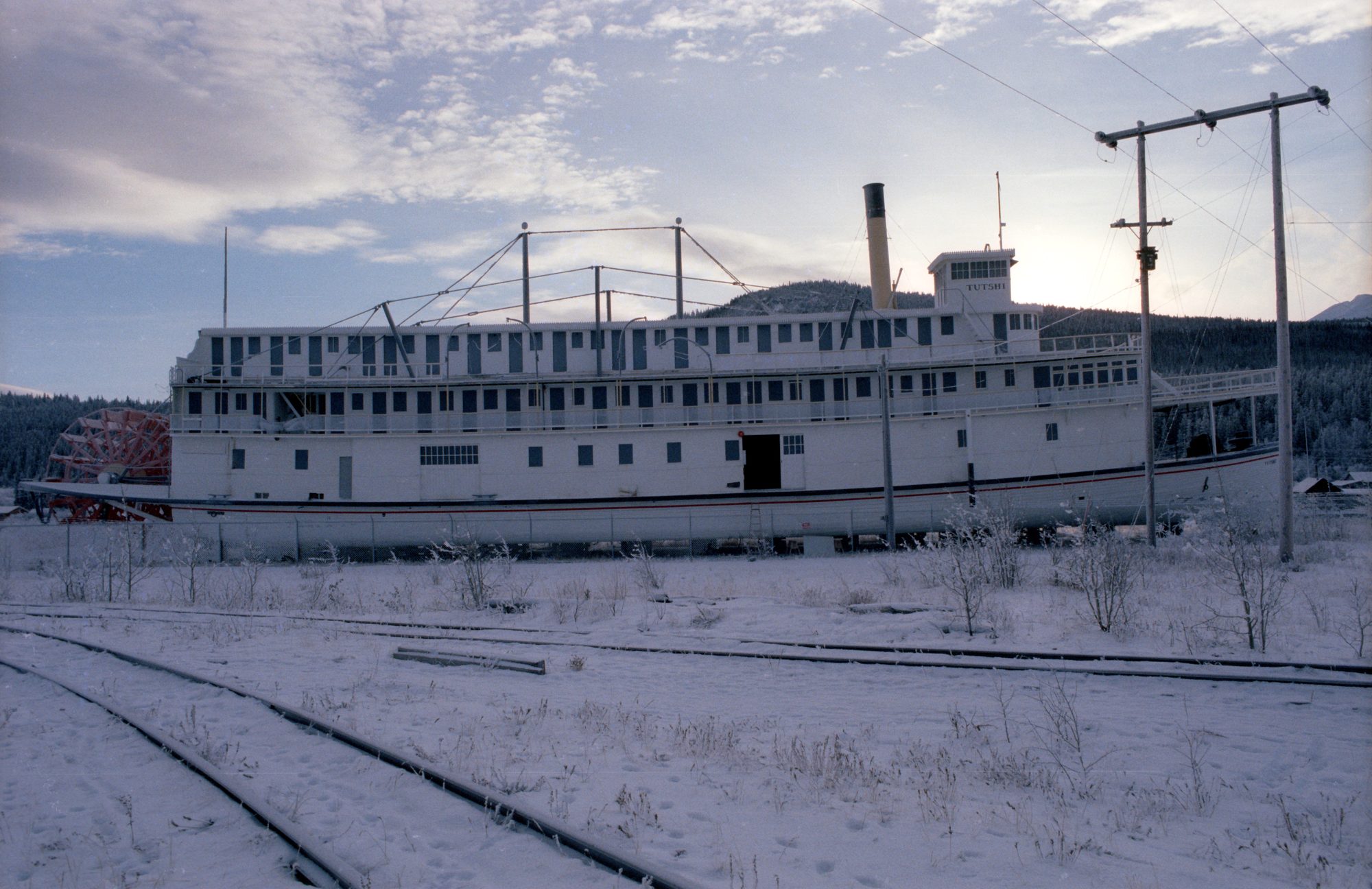
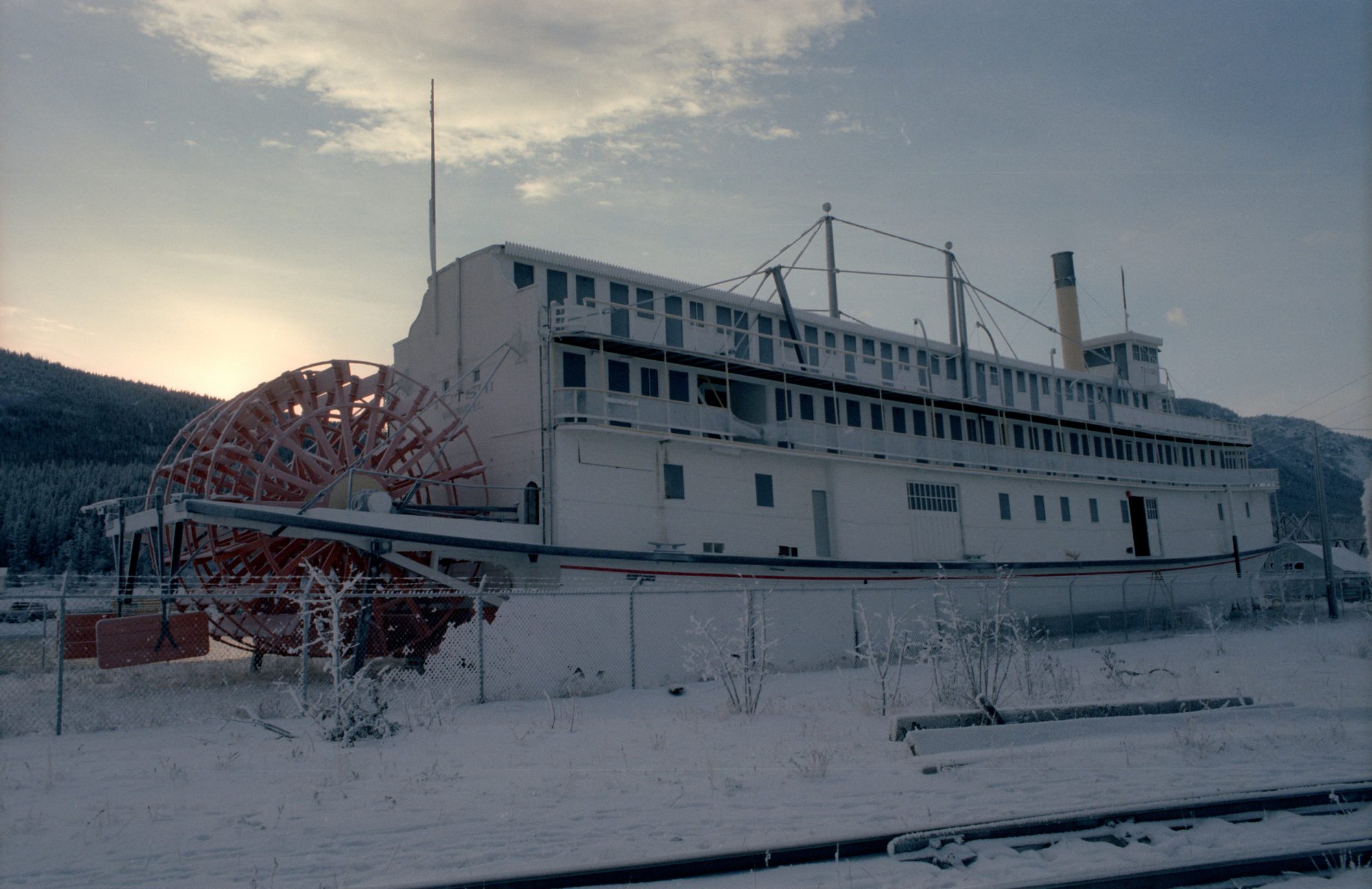
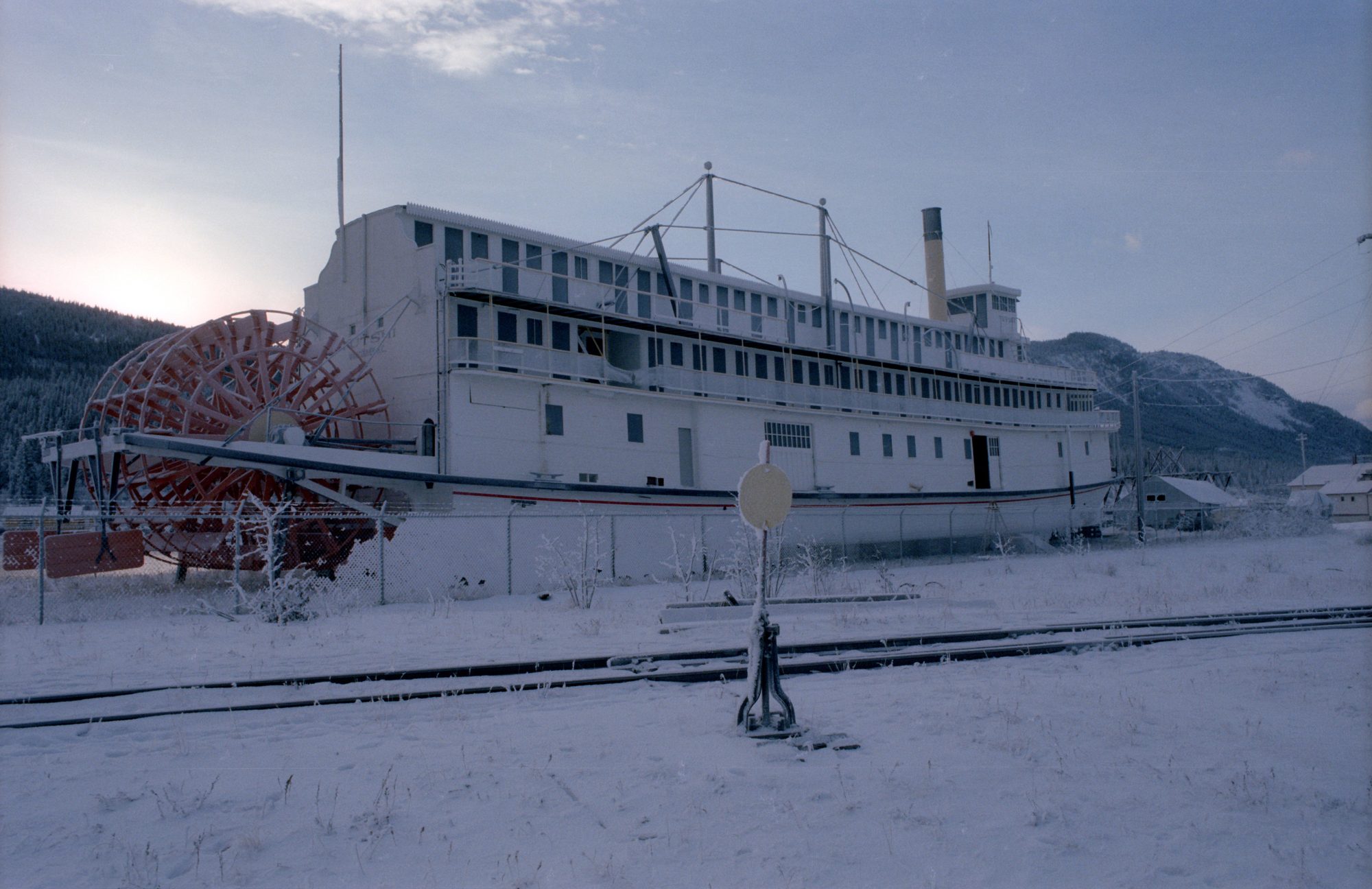
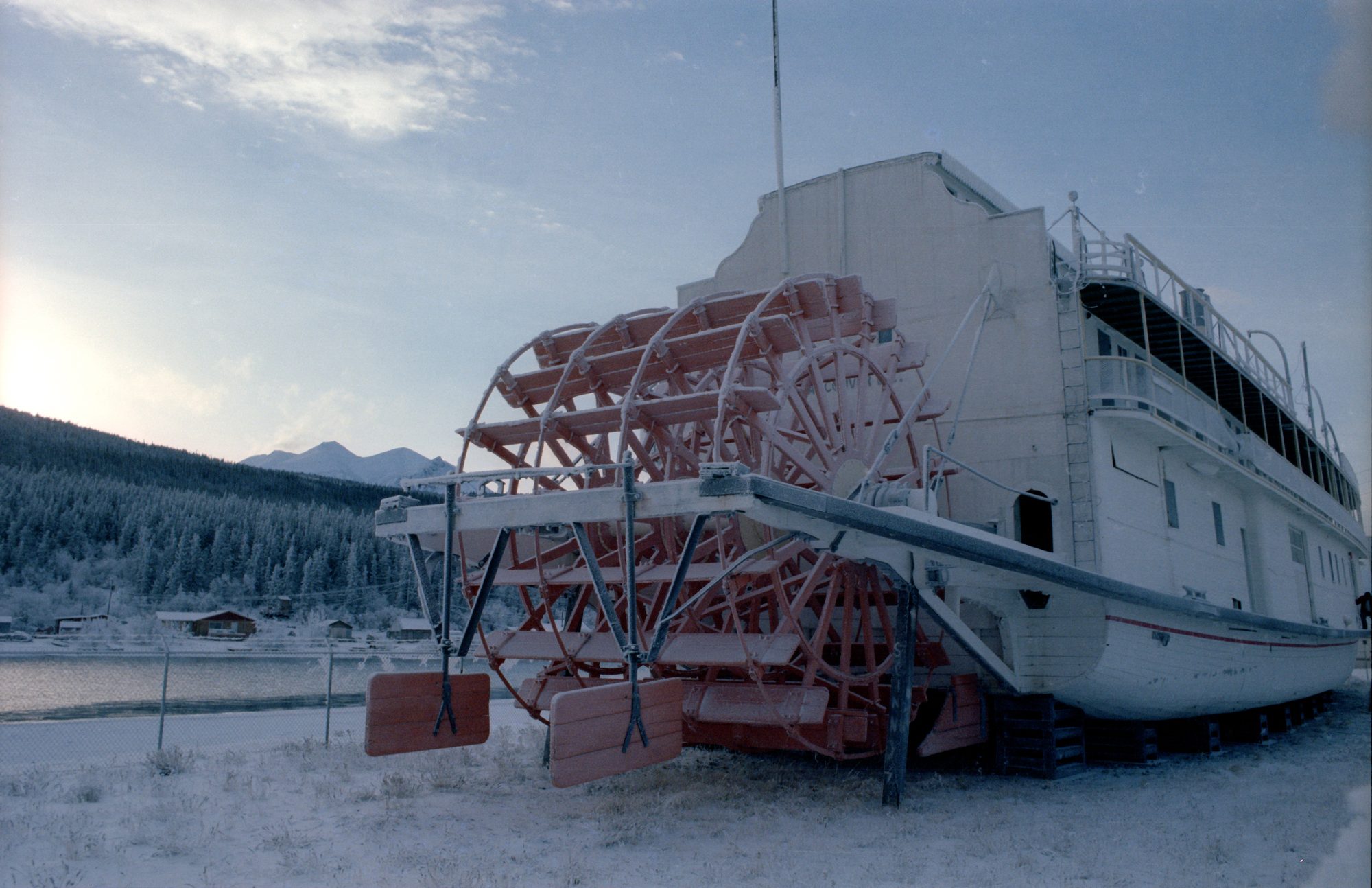
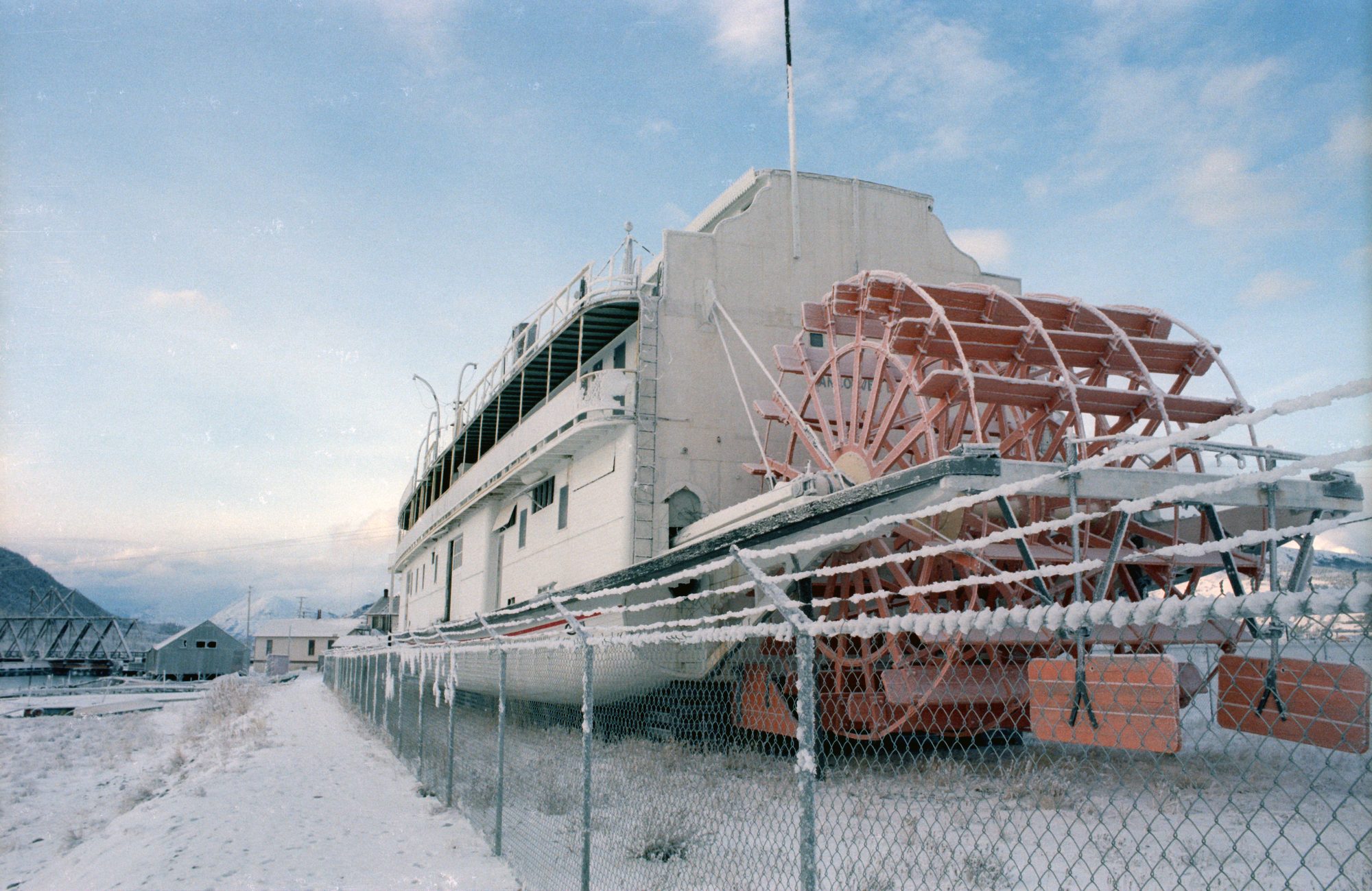
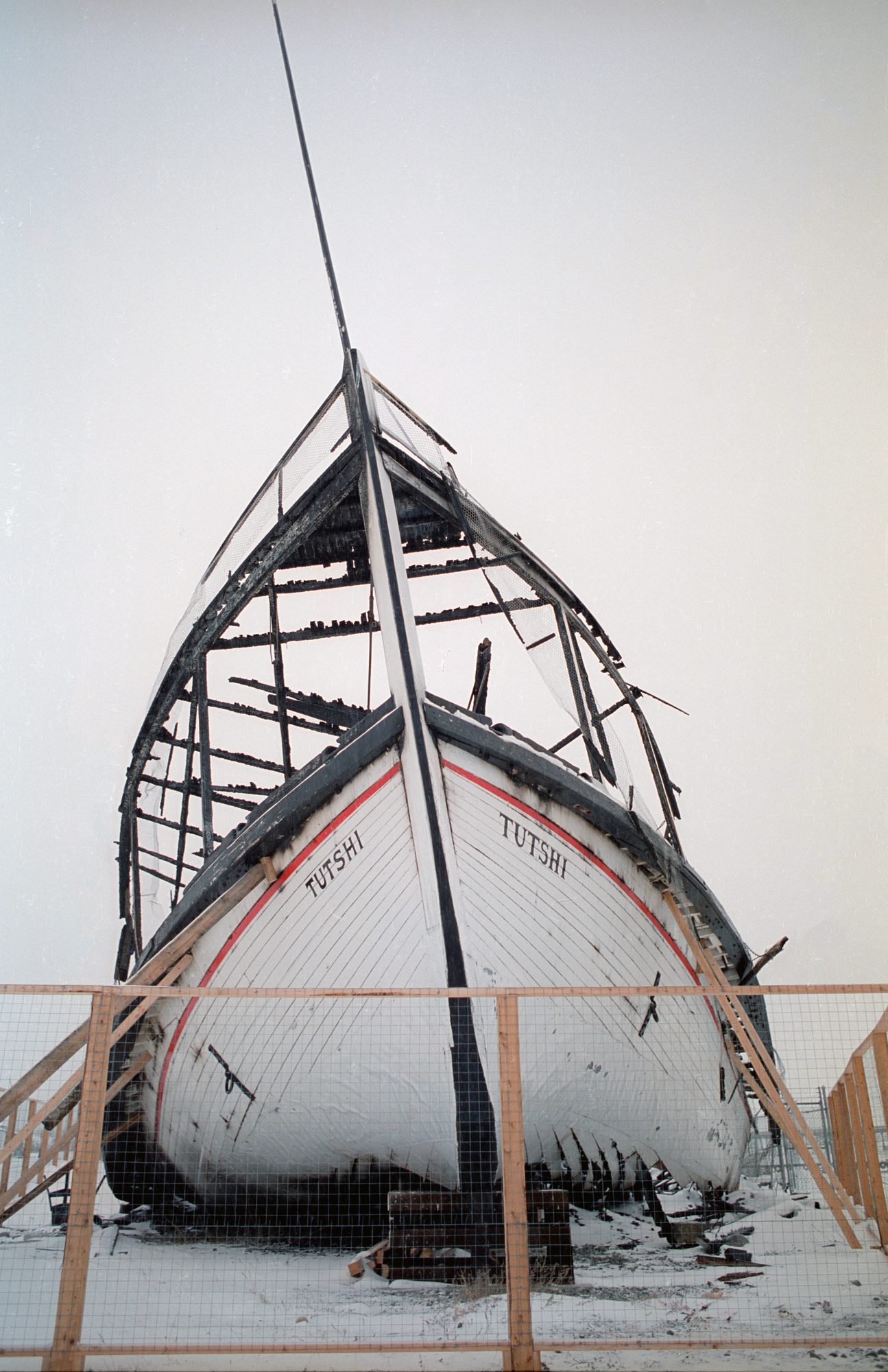
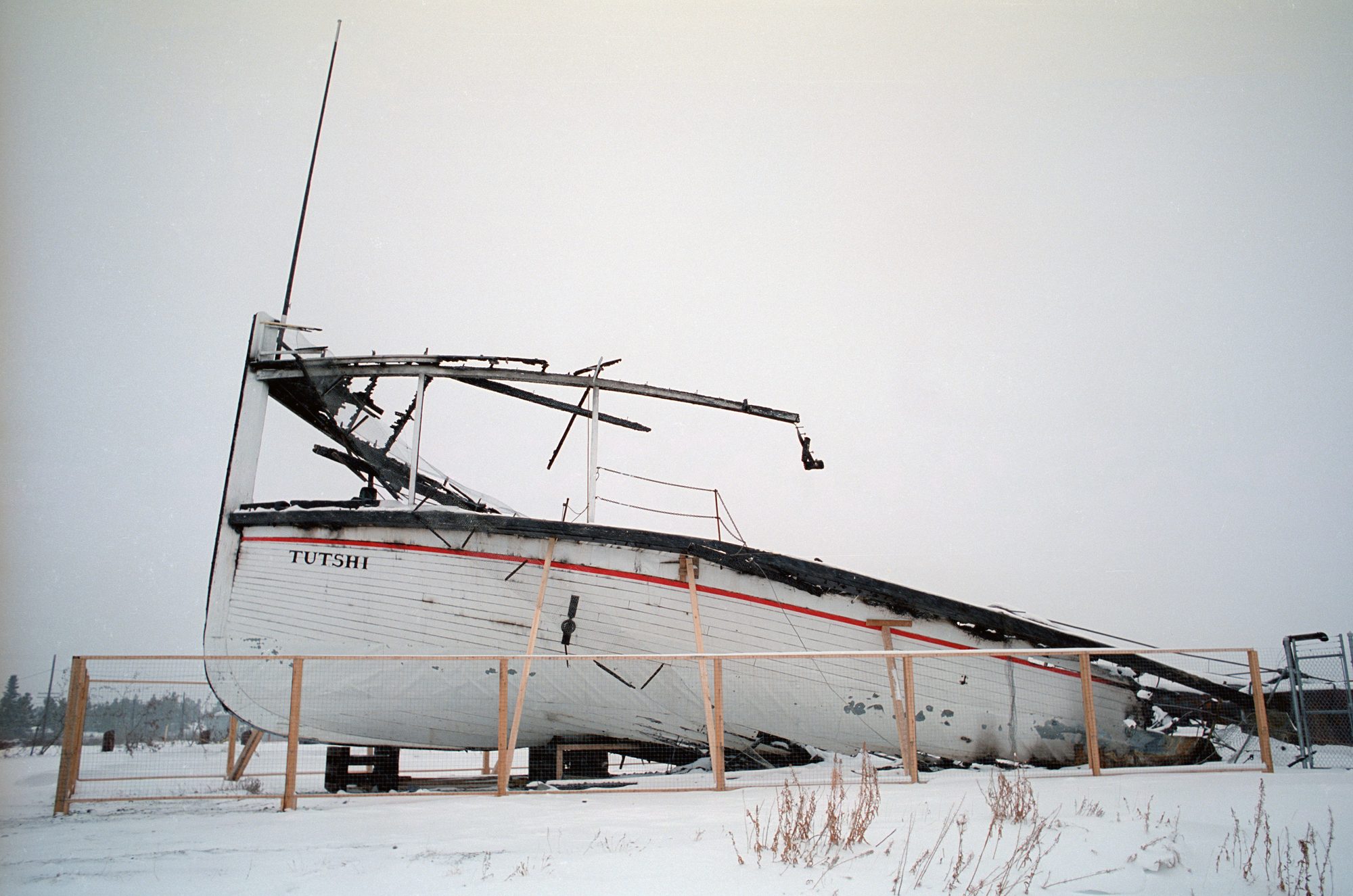
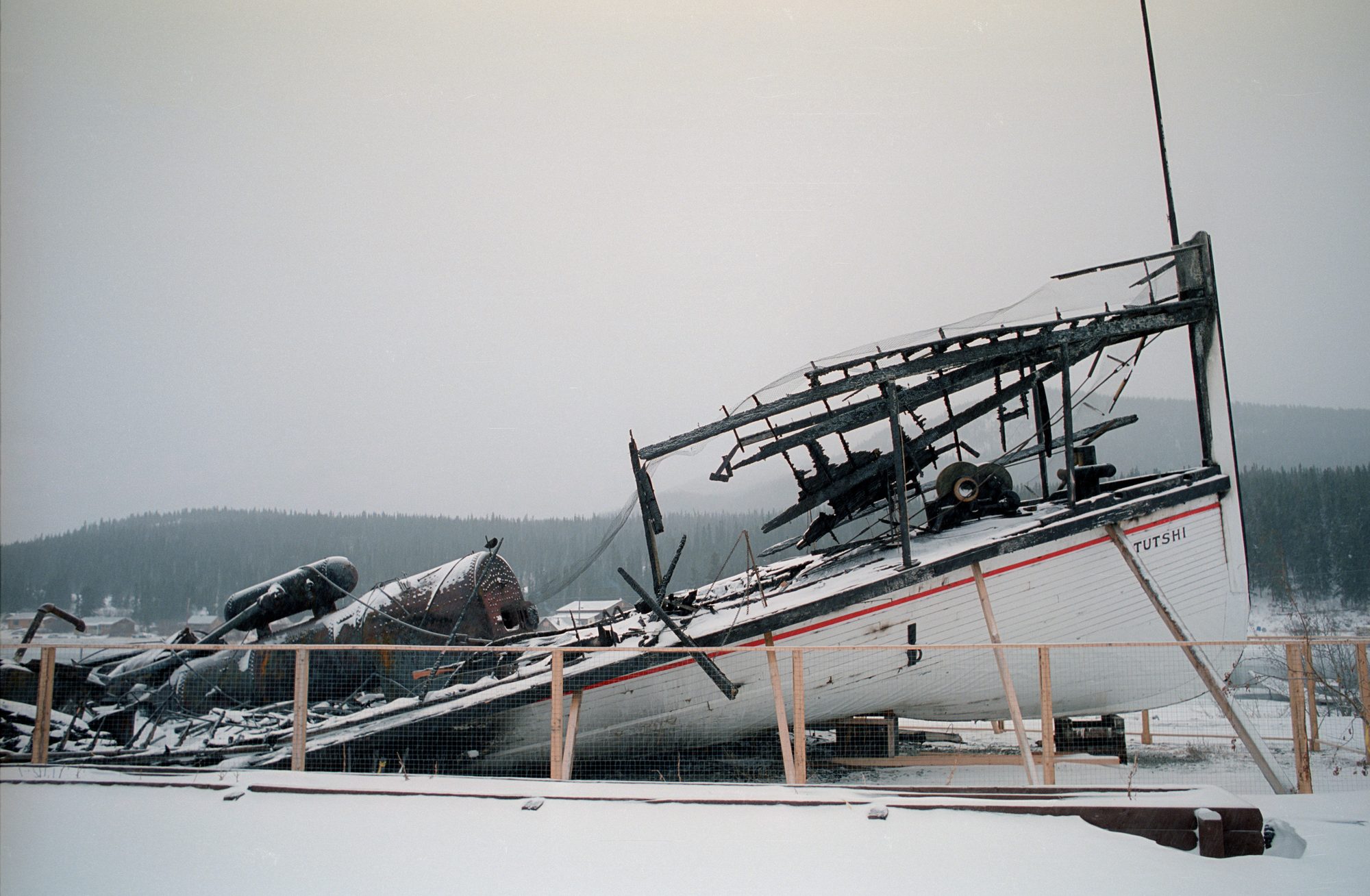
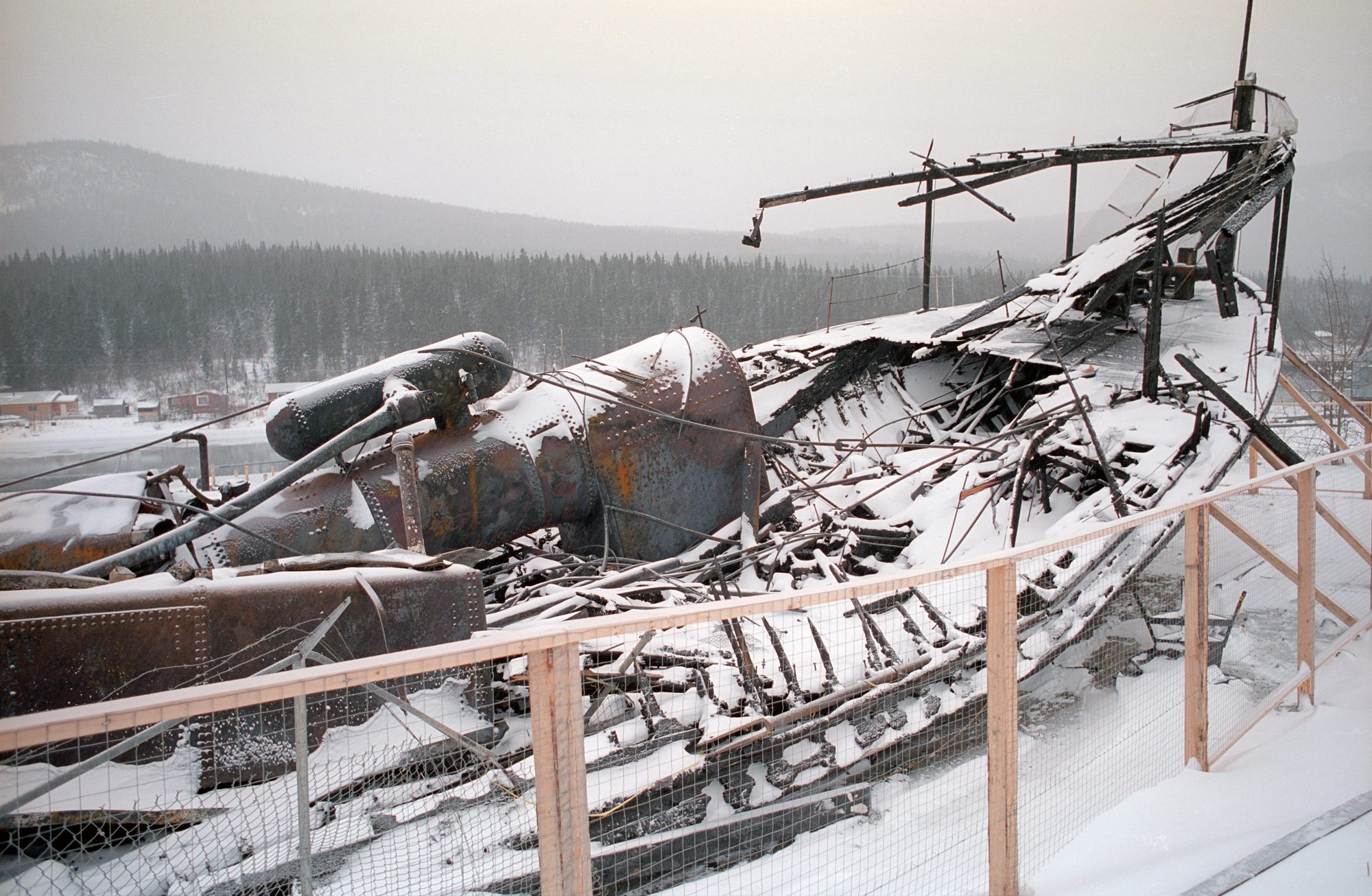
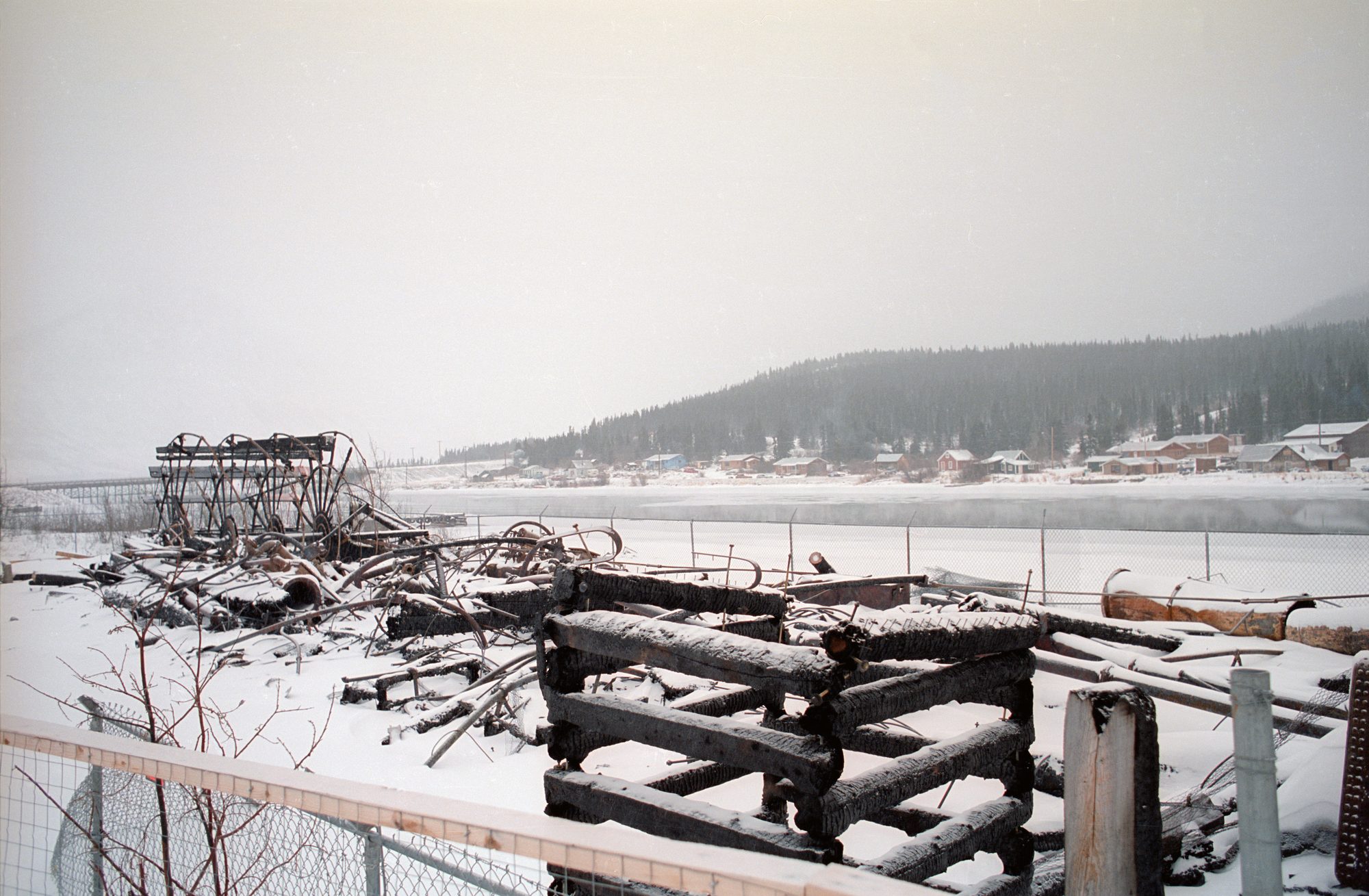
The Tutshi was built at Carcross in 1917 for the lake service of the British Yukon Navigation Company, the river and lake arm of the White Pass & Yukon Route. After she left service she was preserved at Carcross, where fire destroyed the hull in 1990. Her engines, boiler and other machinery survive at the SS Tutshi Memorial.
History
The British Yukon Navigation Company (BYN) had been selling a tourist excursion from Carcross to Atlin since the early 1900s, using the Gleaner on Tagish Lake and the Scotia, later the Tarahne, on Atlin Lake. In 1916 BYN built the Atlin Inn. Demand soon outgrew the Gleaner, and the Tutshi was built at Carcross to replace her. She was launched in June 1917 and was the largest steamer on the southern lakes. Her name is an anglicized form of the Tlingit name for Tutshi Lake, said to mean “Black Lake”.
From Carcross she ran through Nares Lake and past Windy Arm into Tagish Lake. Her route then went to Taku, at the head of Taku Inlet, where a 2¼-mile narrow-gauge railway carried passengers across to the Tarahne on Atlin Lake. She also carried the mail around the lakes. Excursions to Ben-My-Chree, Otto Partridge’s garden retreat at the south end of West Taku Arm, began with two trips in 1917. By 1925 Ben-My-Chree was BYN’s most popular stop, and a walkway more than a quarter of a mile long was built out from shore so passengers could land.
Through the 1920s and 1930s she carried an average of 5,262 passengers a year; in 1929 she carried 9,094 on 93 round trips. The Atlin Inn closed in 1936, and Ben-My-Chree became the main destination. The daily trip left Carcross at noon, reached Ben-My-Chree about 7 p.m., and returned overnight, arriving at Carcross about 9 a.m. to meet the train to Skagway. The season usually opened in the first week of June and ran to the end of October. She wintered afloat in the ice-free water below the Carcross swing bridge and was hauled out only every three or four years.
Design and construction
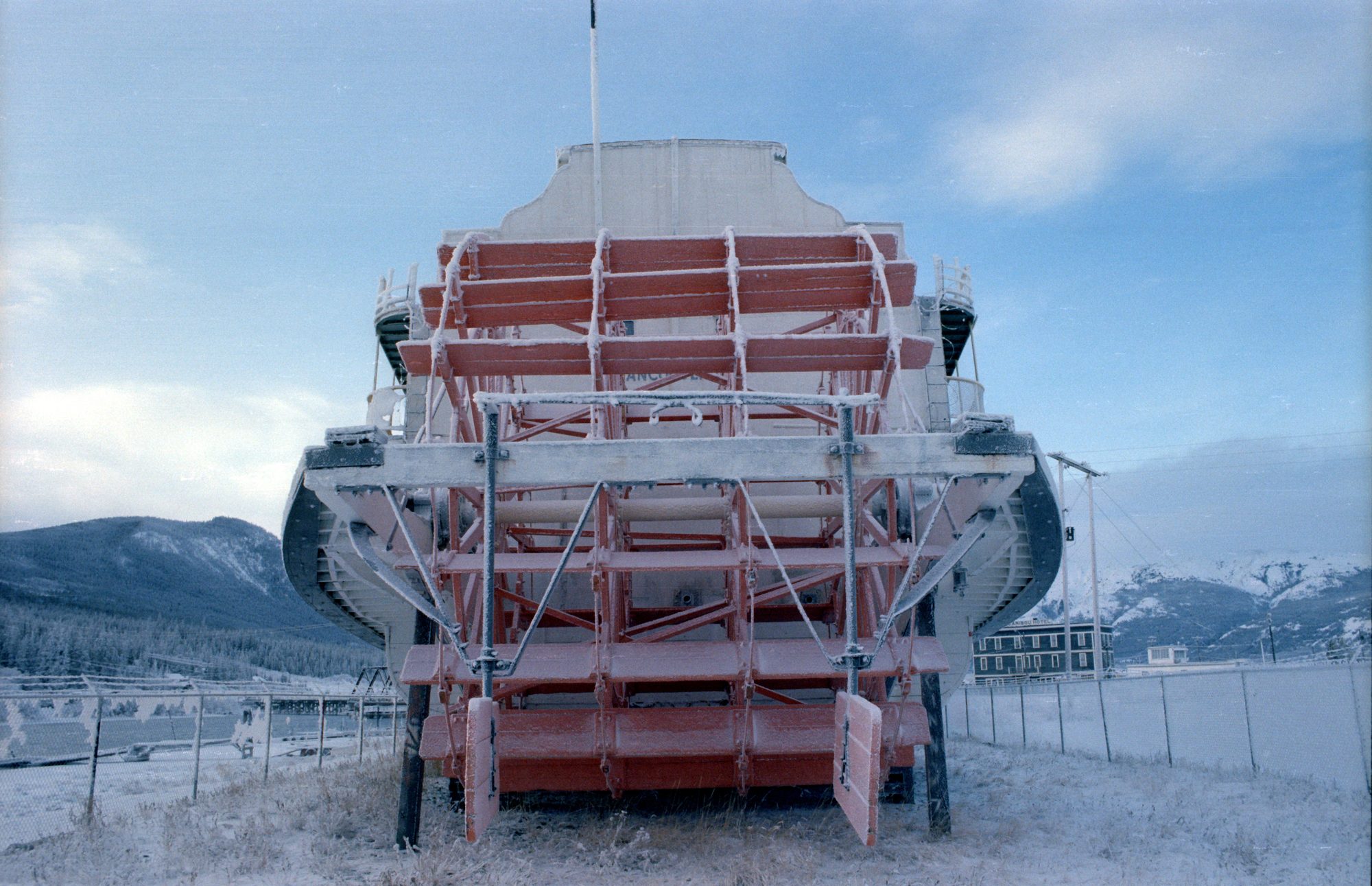
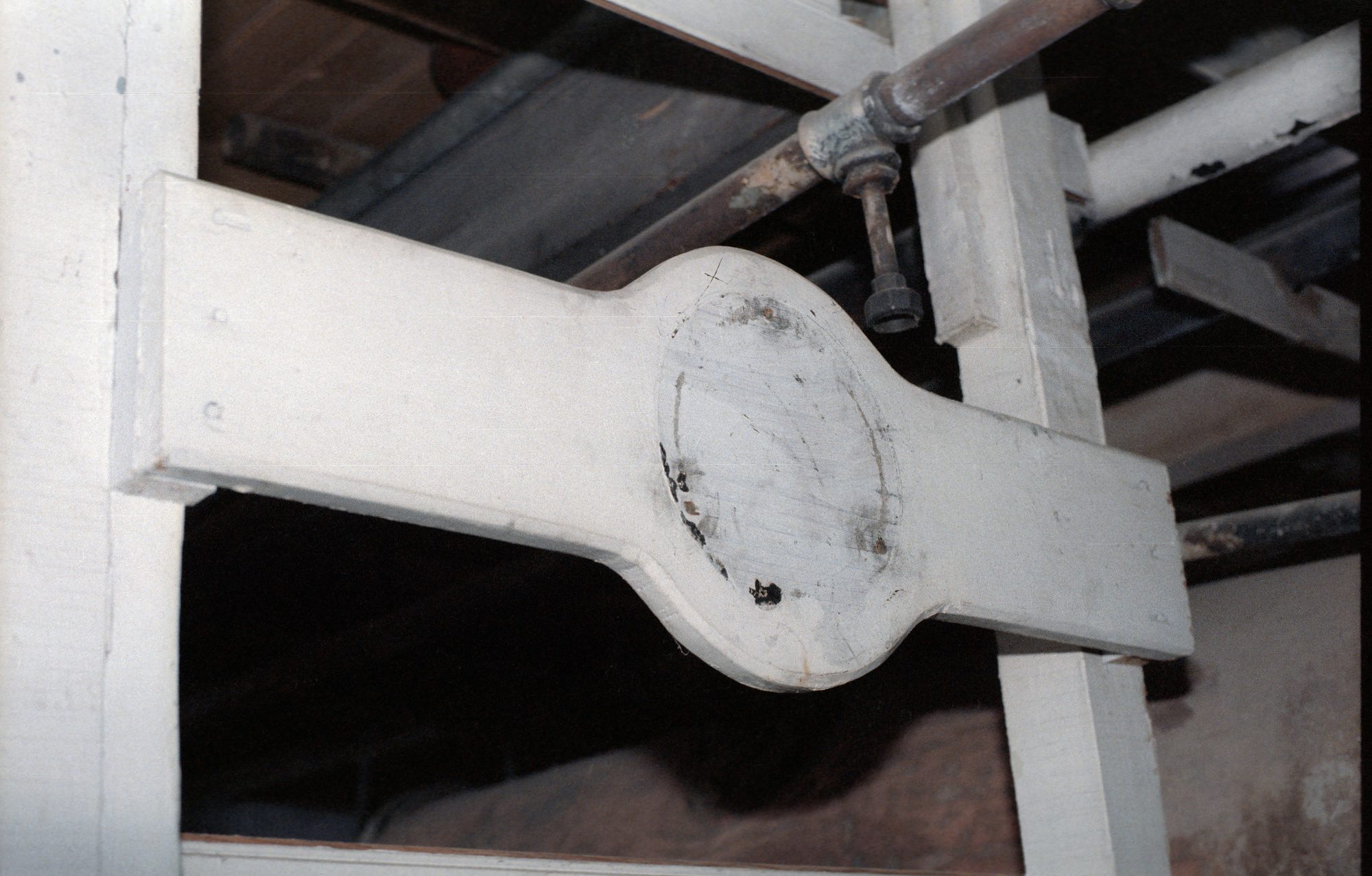
The Tutshi followed general BYN practice. Her carvel-planked hull of Douglas fir, with some oak ribs, was only six feet deep. Longitudinal trusses formed internal keelsons, and transverse trusses were added under heavy loads such as the boiler. Adjustable hog chains carried over kingposts and queenposts kept the hull from hogging. Four balance rudders sat between the wheel and the transom, with monkey rudders aft of the wheel. The superstructure was kept as light as possible: bulkheads of 1¼ × 3 in cedar studs sheathed on one side with ½ in cedar V-joint, and decks of canvas laid in linseed oil.
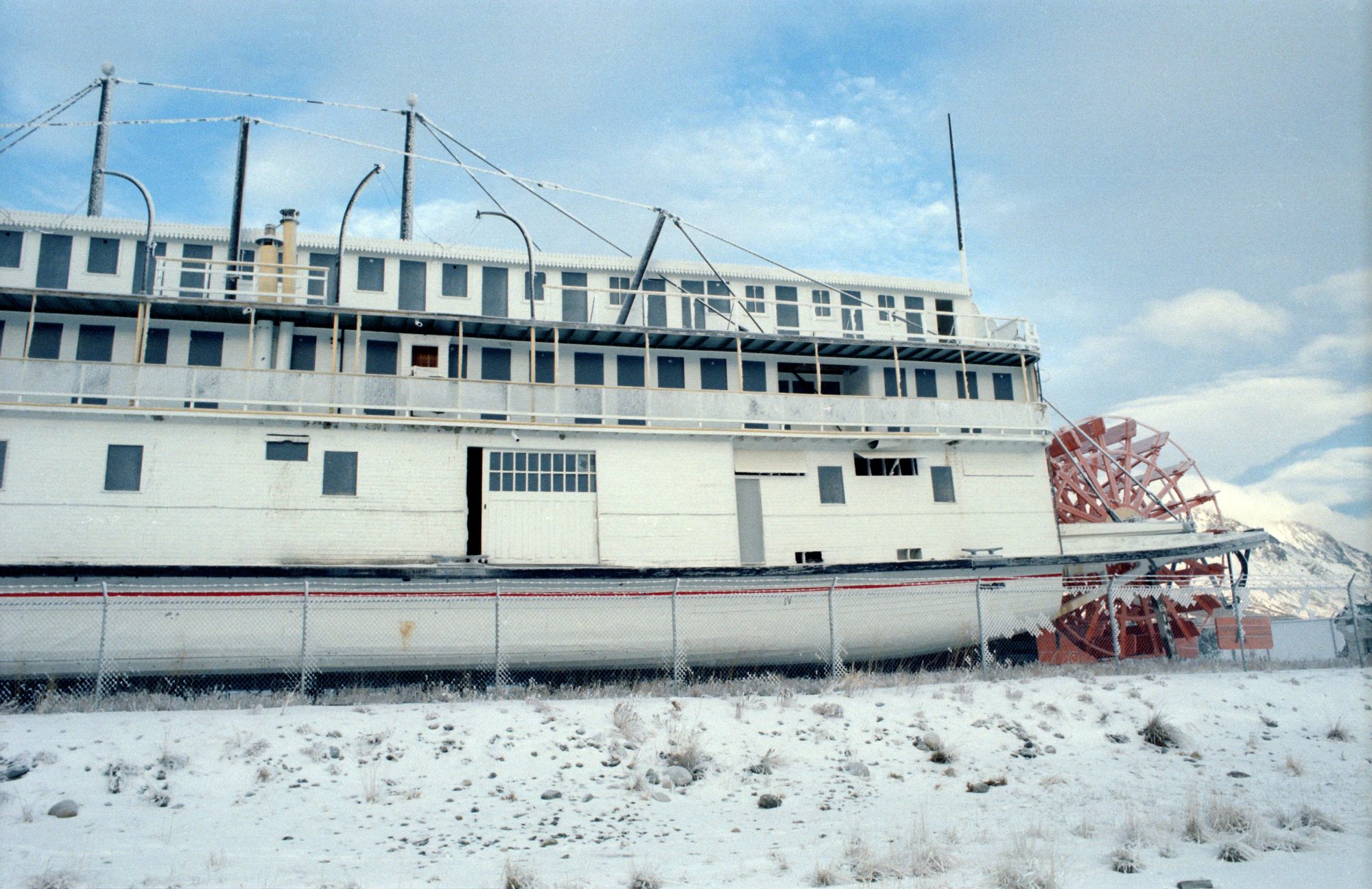
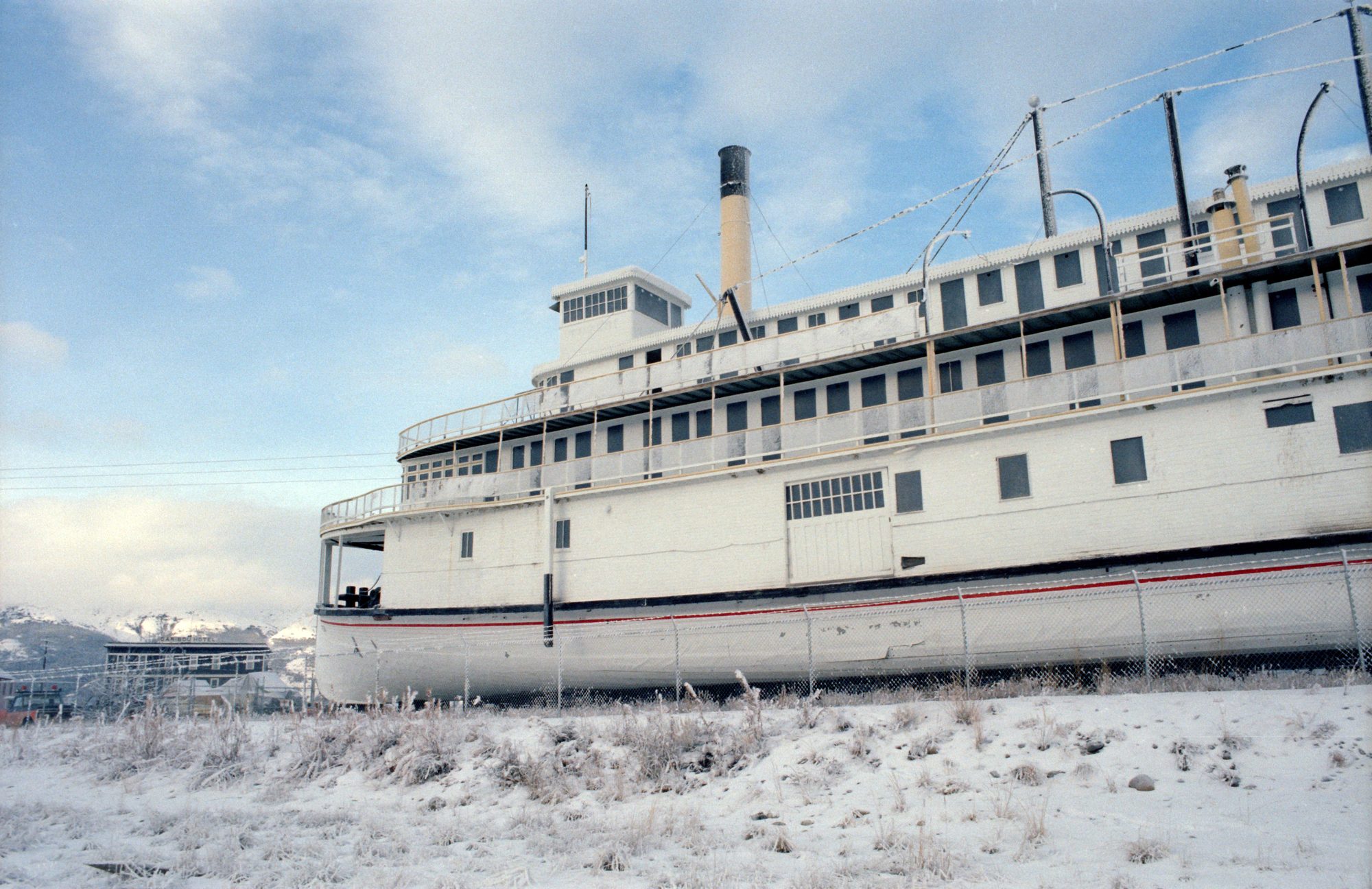
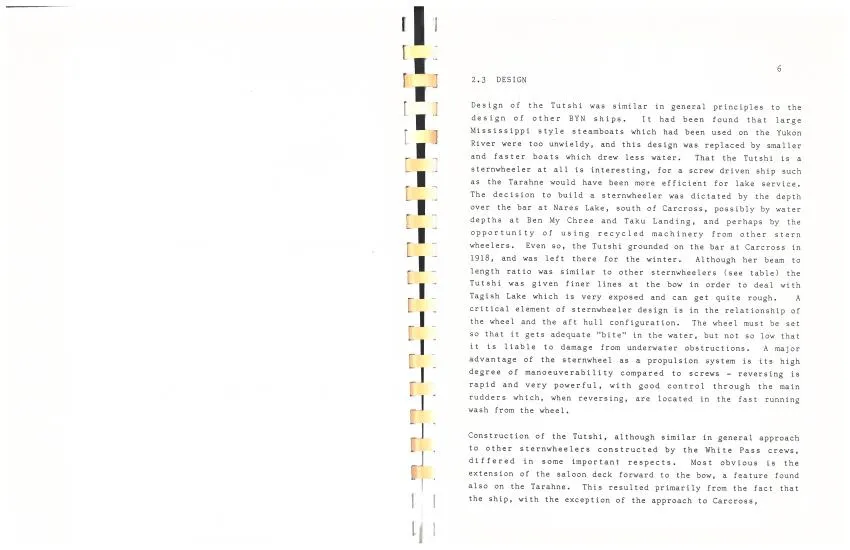
John Keay’s 1987 preservation plan explains why a lake boat was a sternwheeler at all. A screw boat like the Tarahne would have been more efficient. The deciding factor was the depth over the bar at Nares Lake, probably along with landing depths at Ben-My-Chree and Taku and the chance to reuse machinery from older boats. Because she spent almost all her time on open Tagish Lake, she was given a finer bow than the river boats. Her saloon deck was carried forward to the bow, since a lake boat needed neither the pilot’s clear view nor the room for spars that river boats had. That gave tourists more deck to watch the scenery from.
Alterations and repairs
- 1920: six staterooms added to the Texas deck
- 1922: ten more cabins on the Texas deck, and steward’s crew quarters on the freight deck; capacity 110 passengers
- 1925: converted to burn oil, using two tanks from the steamer Alaska
- 1926: Texas deck extended aft with two more staterooms; four new rudders; the cracked wheel shaft replaced and the wheel rebuilt
- 1927: engines from the Seattle No. 3 installed
- 1928: condenser installed; hull recaulked and sheathed with galvanized iron where it wore; hog chains and wheel repaired
- 1930: 74 new boiler tubes
- 1932: heavier king and hog chains
- 1933–34: ice damage in the fall of 1933 (eleven frames broken) was repaired in the spring of 1934
- About 1949: the forward observation saloon enlarged
Retirement and preservation
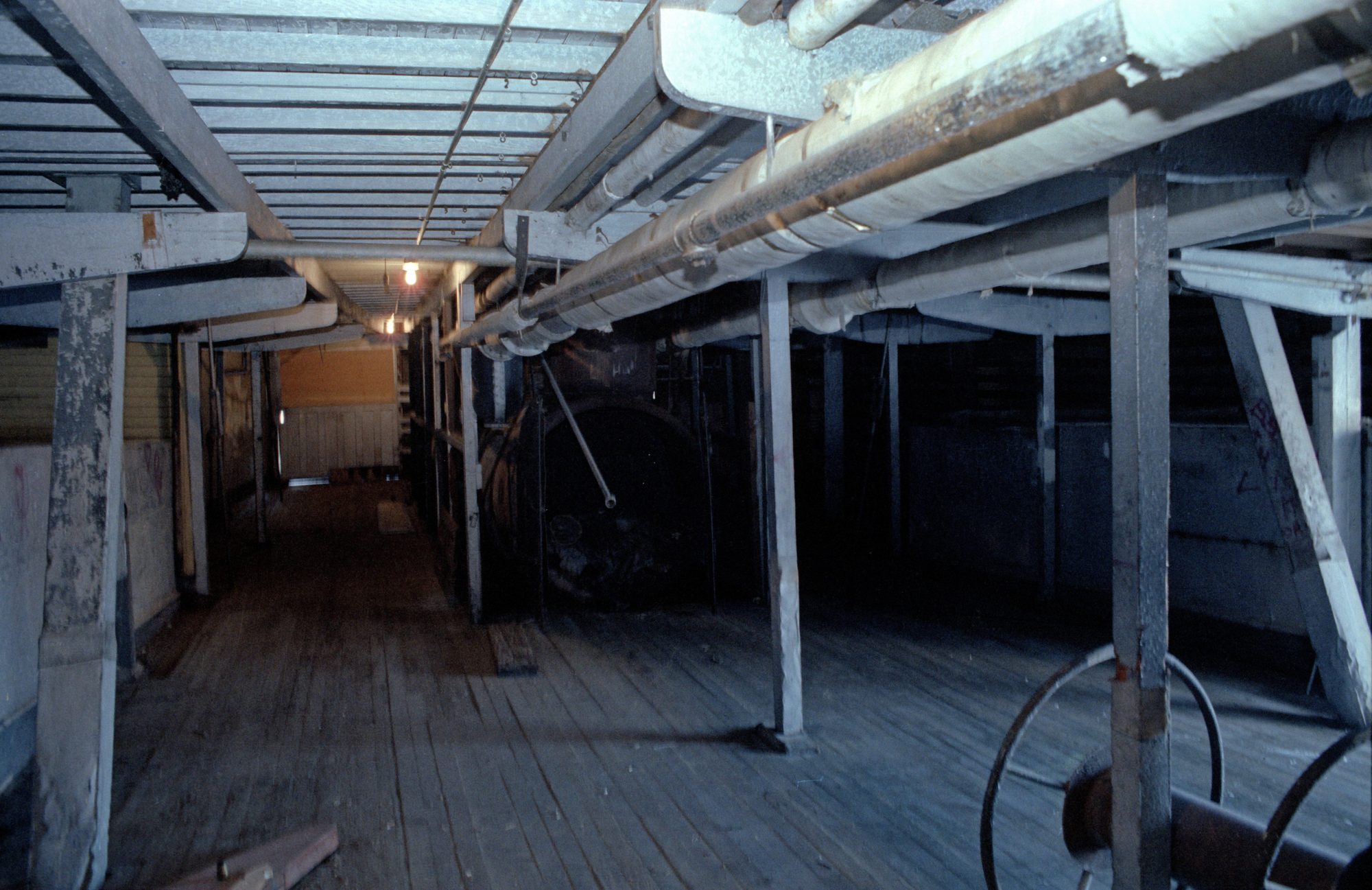
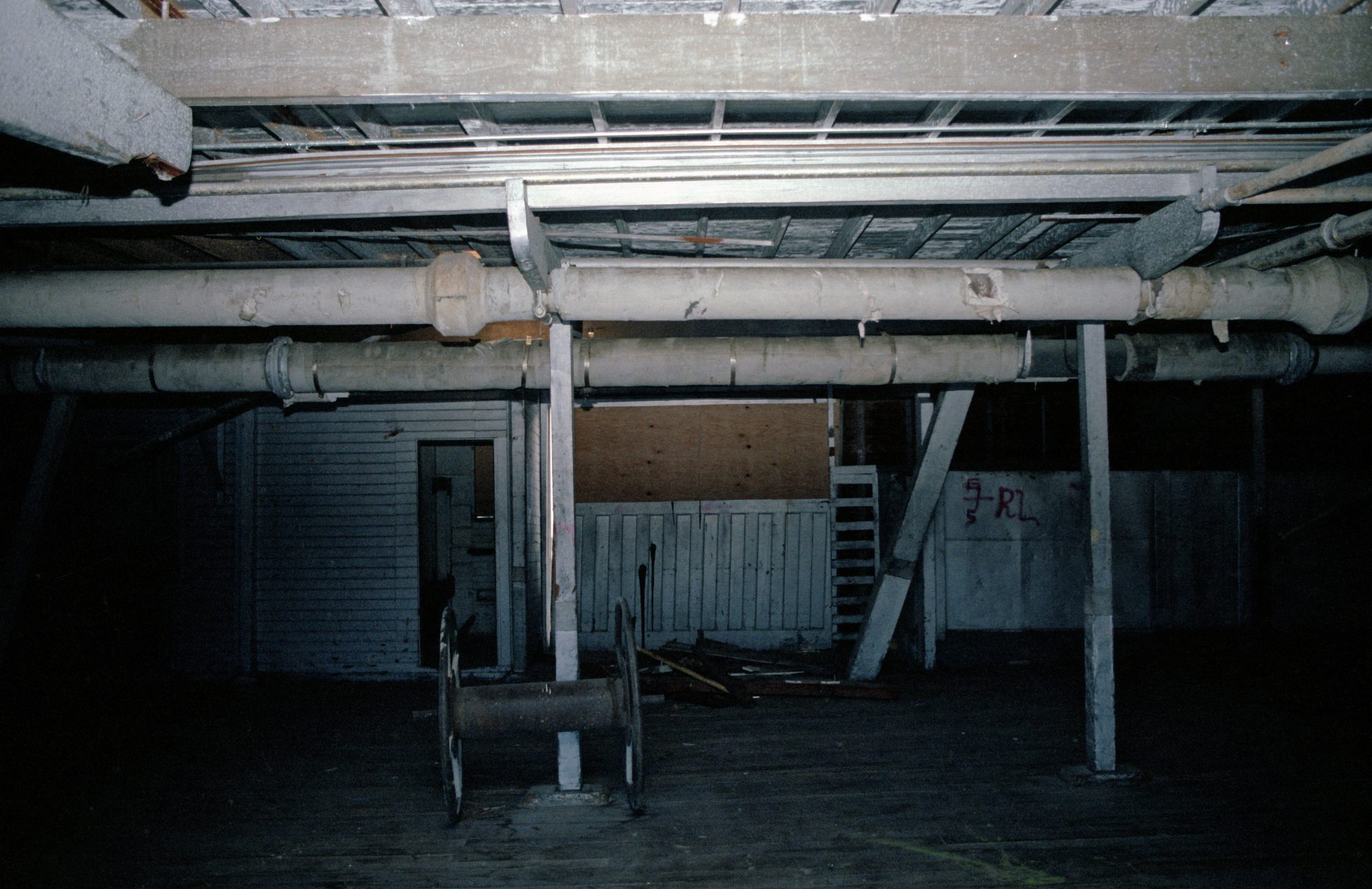
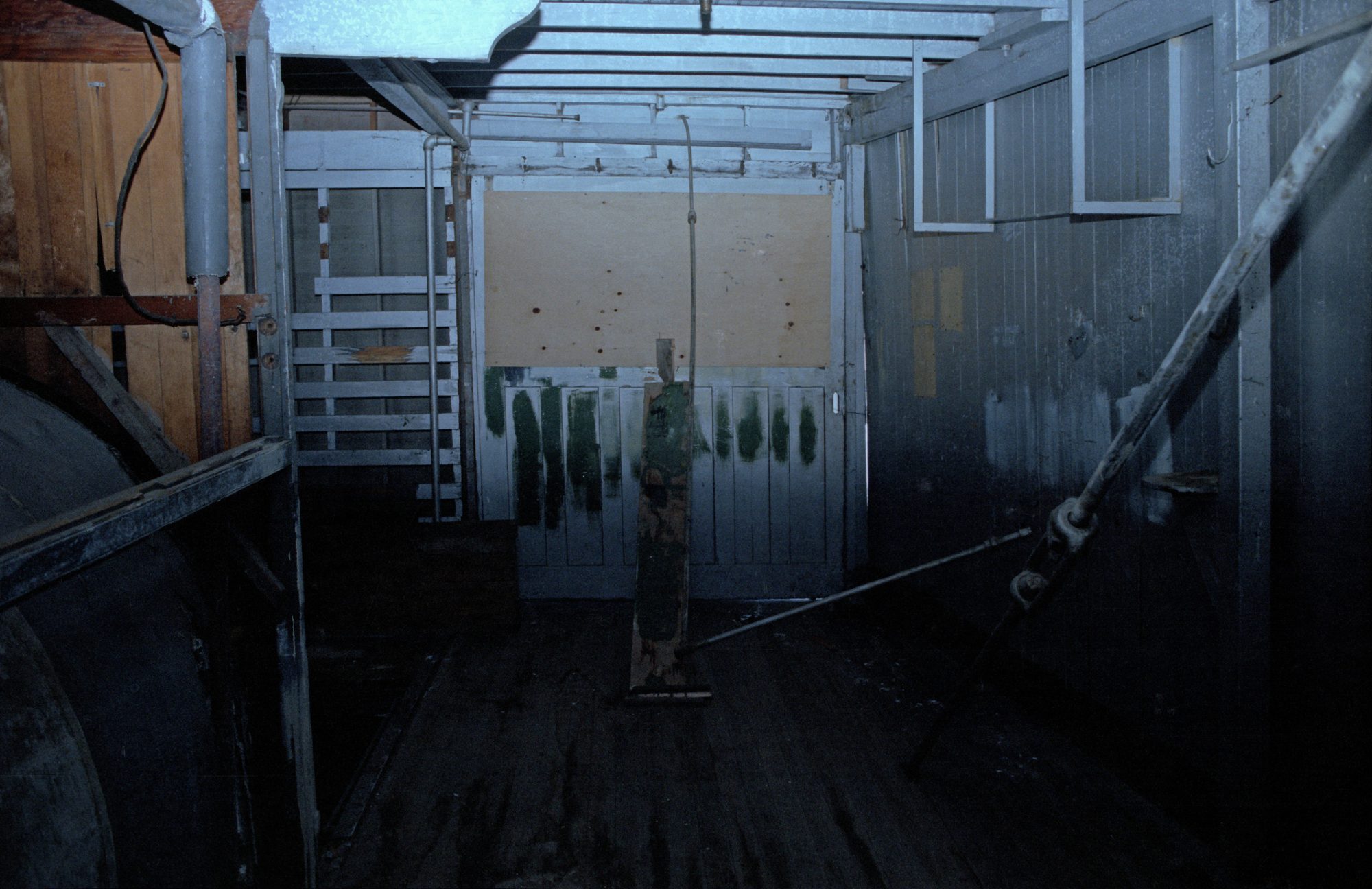
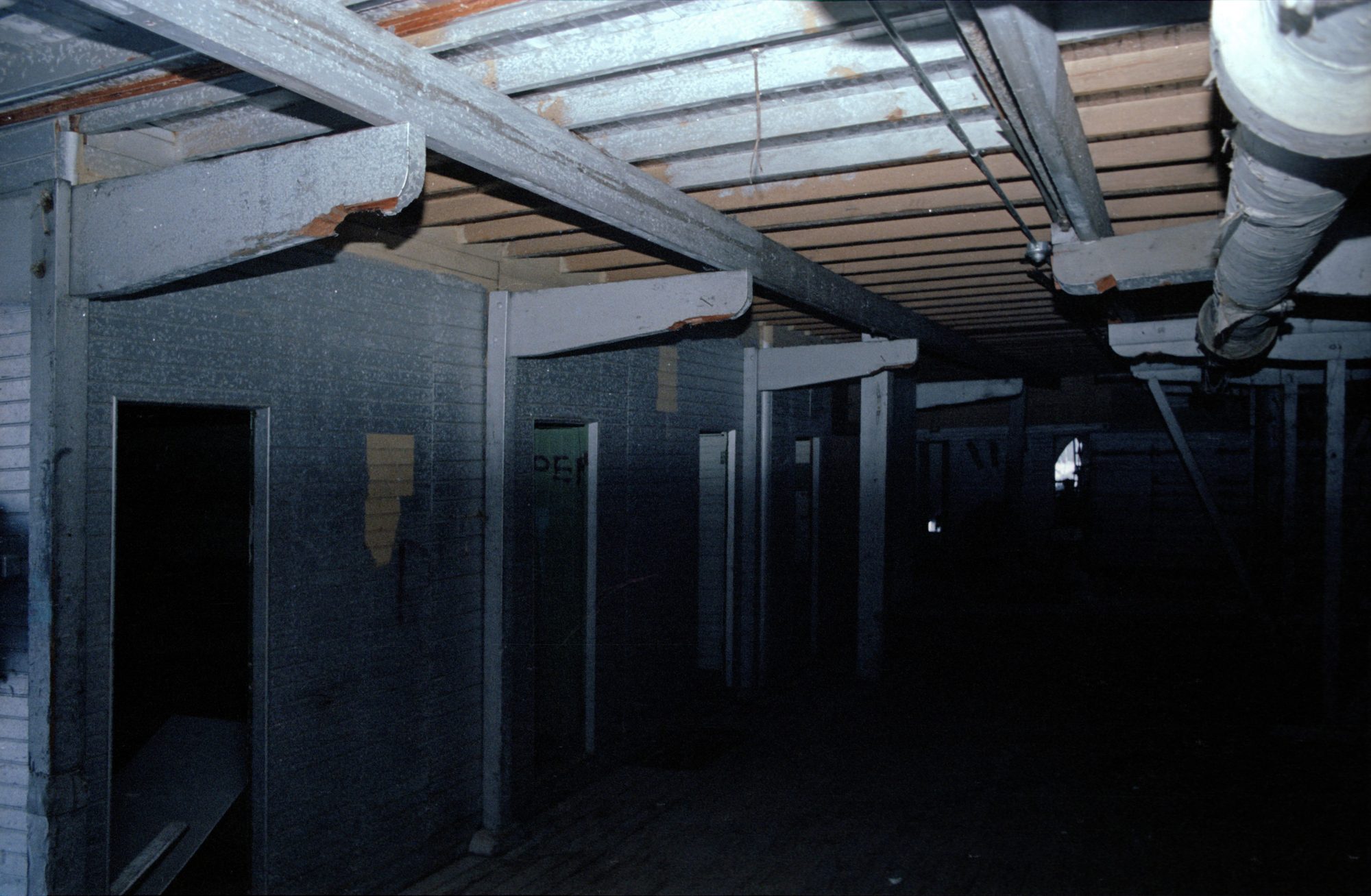
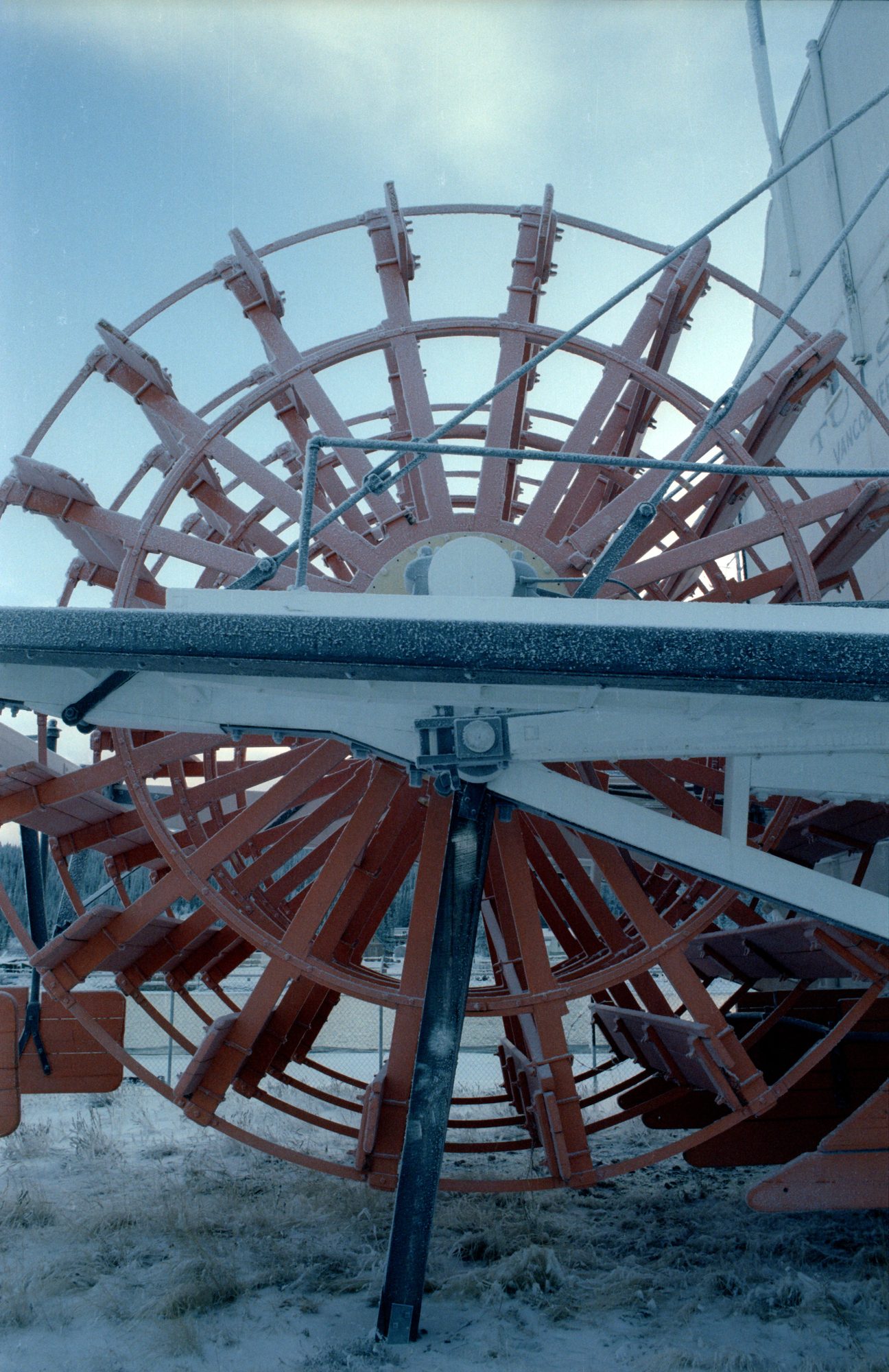
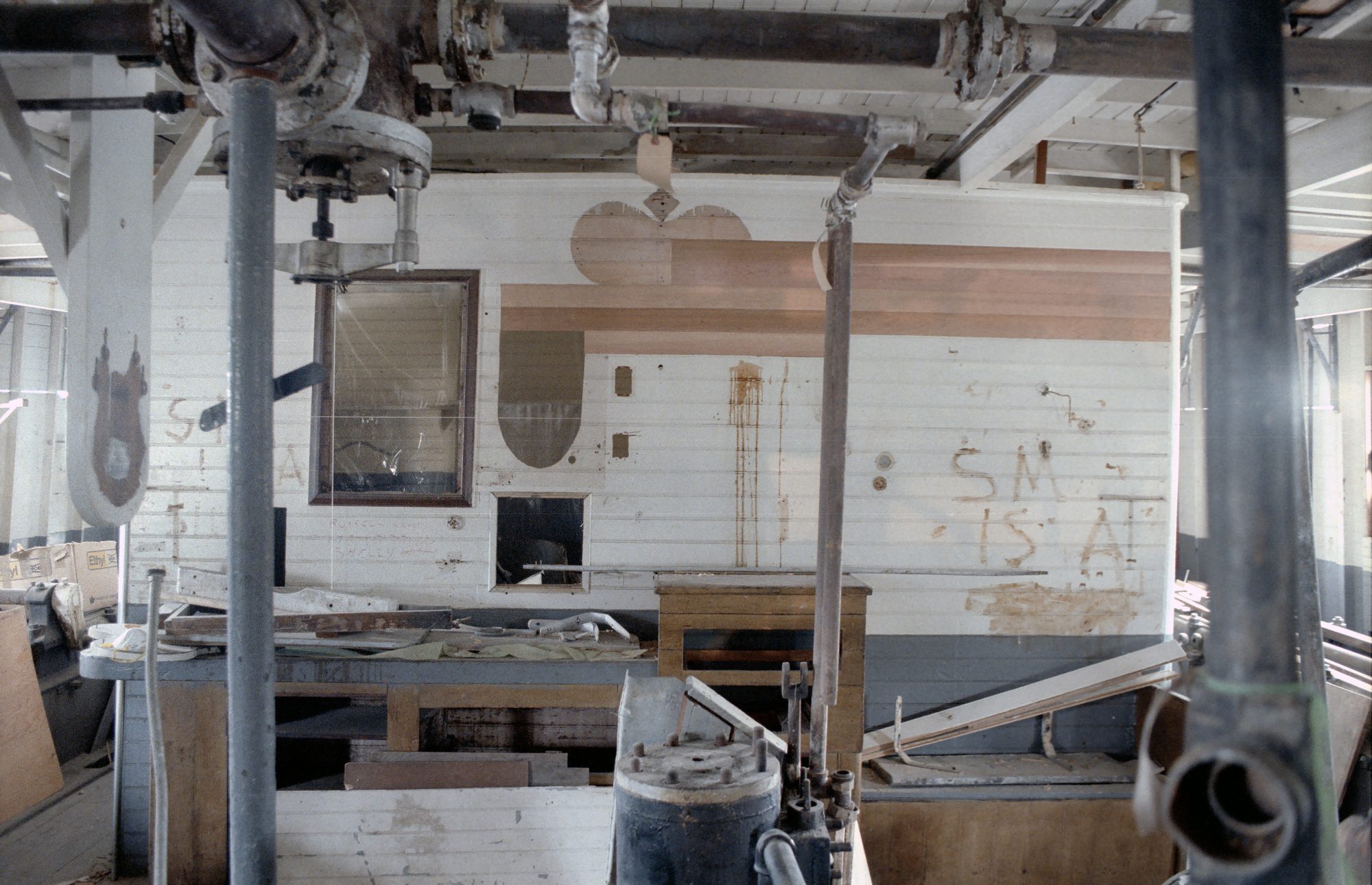
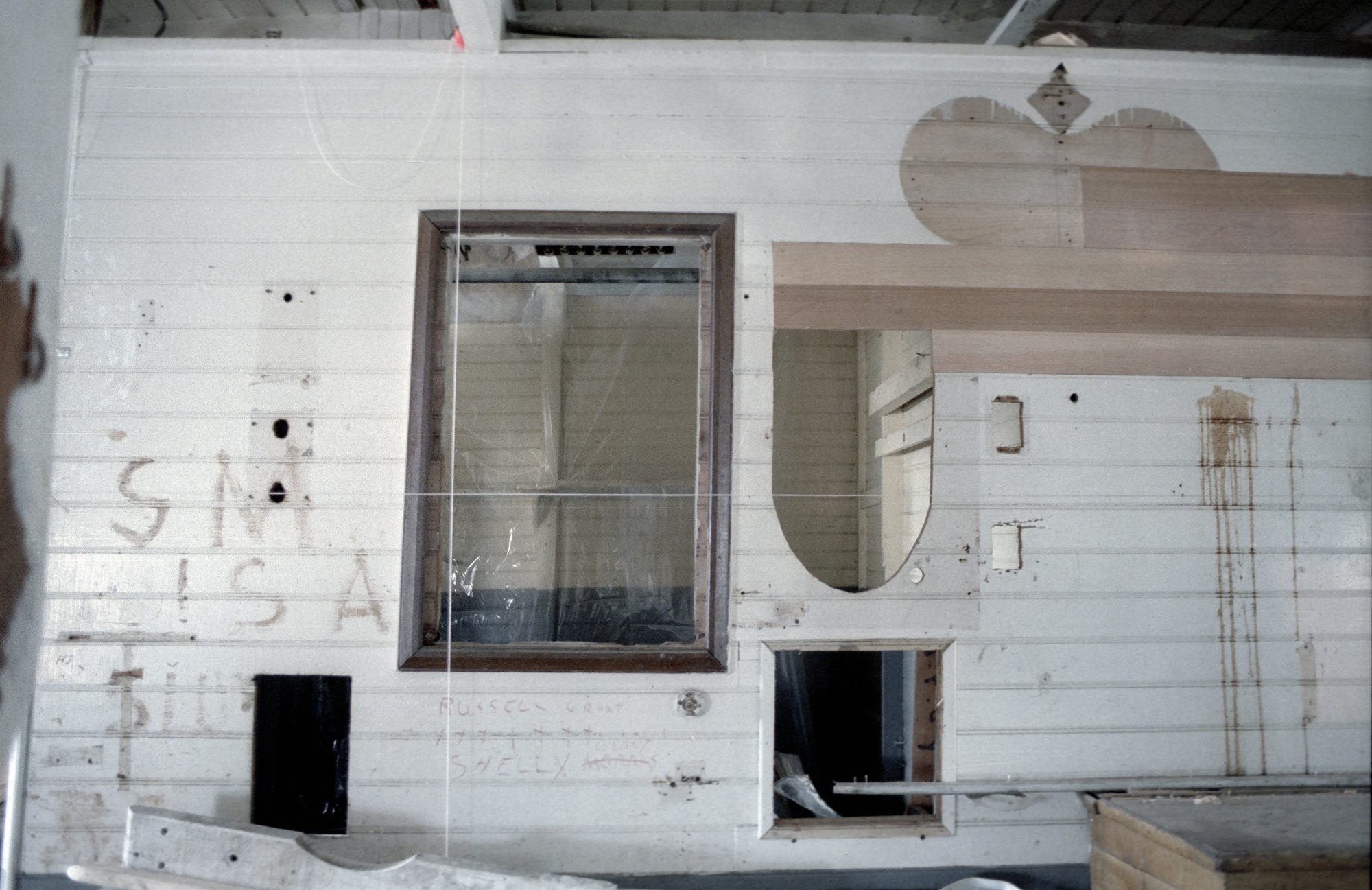
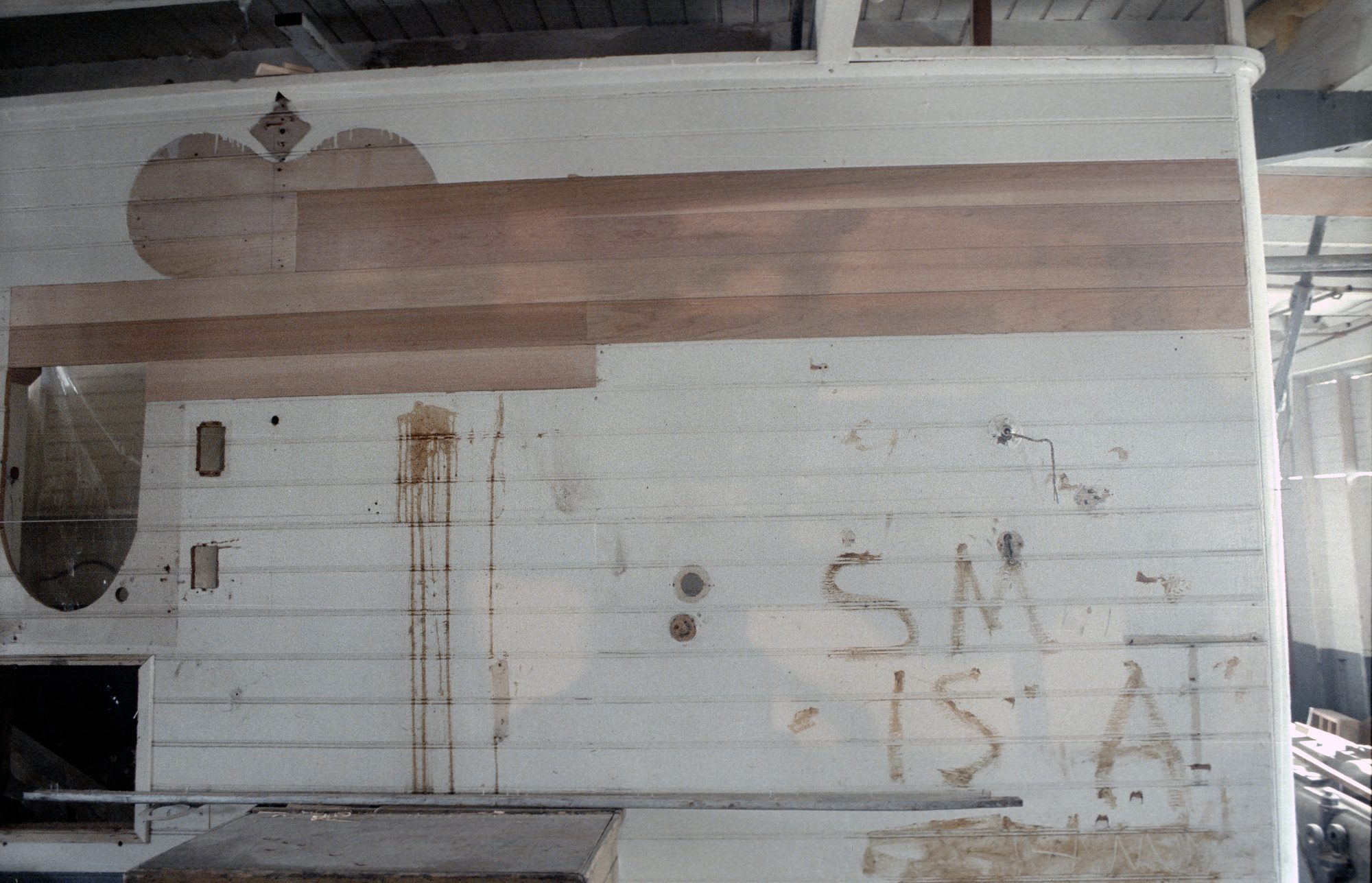
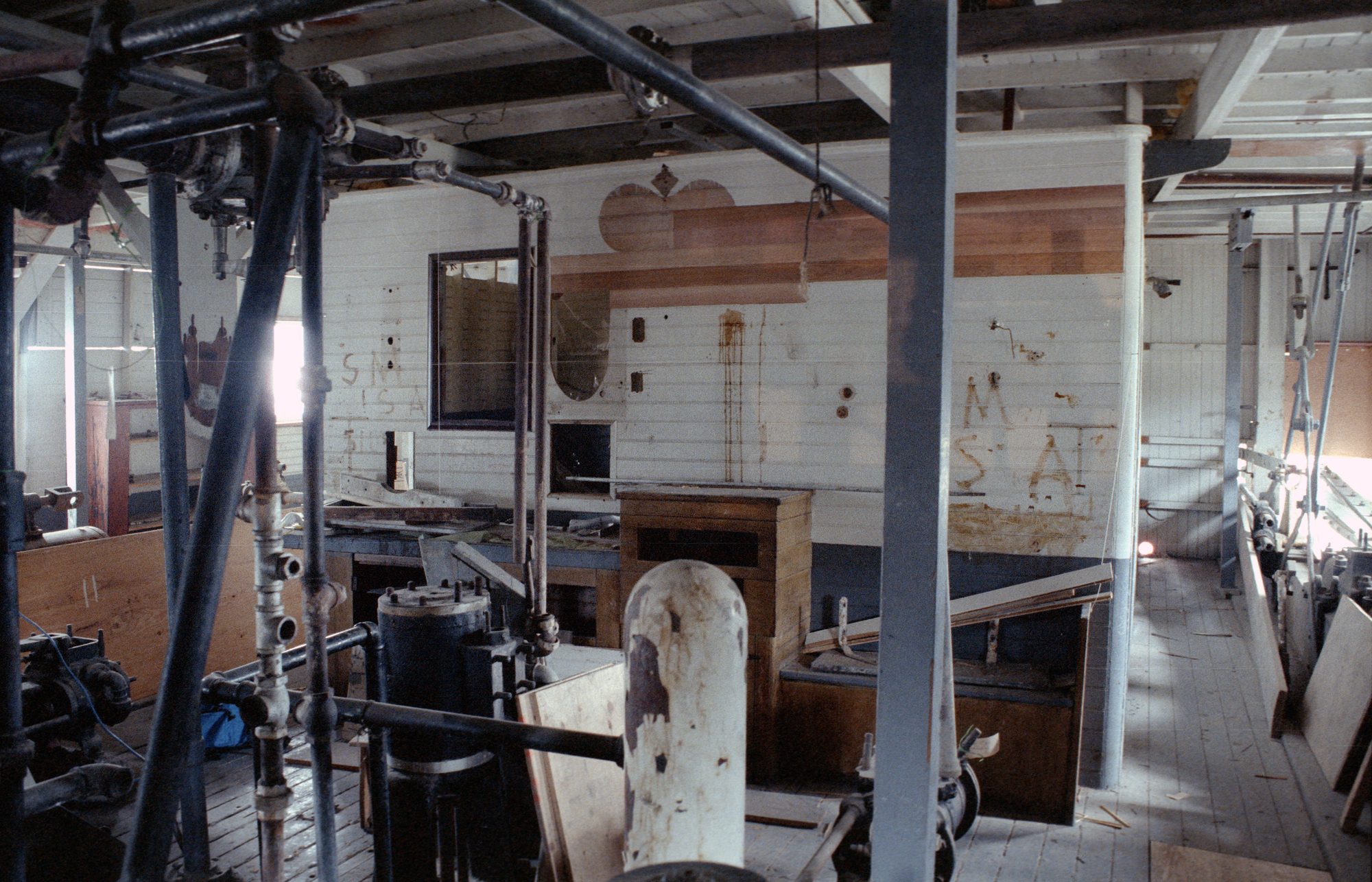
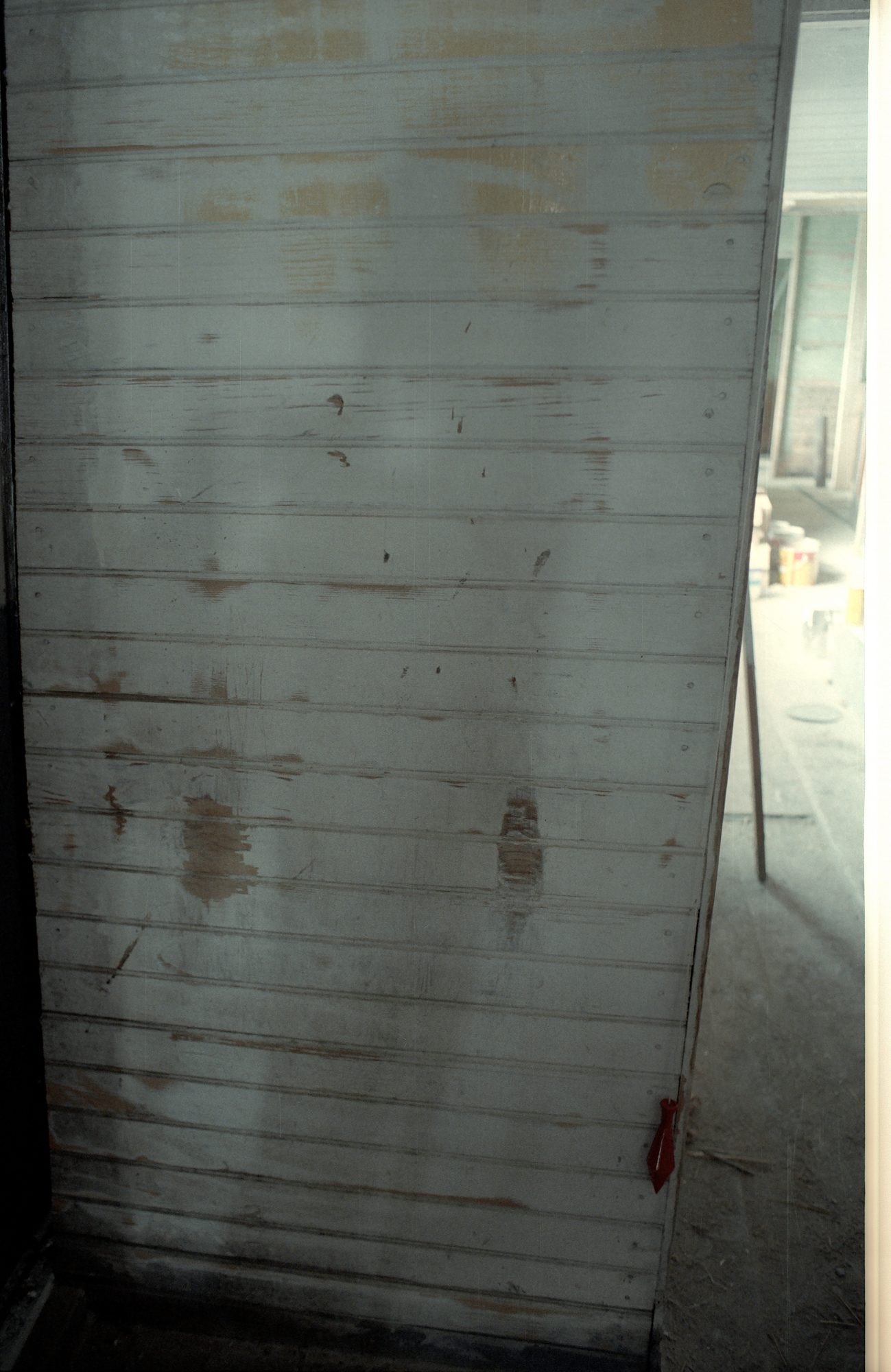
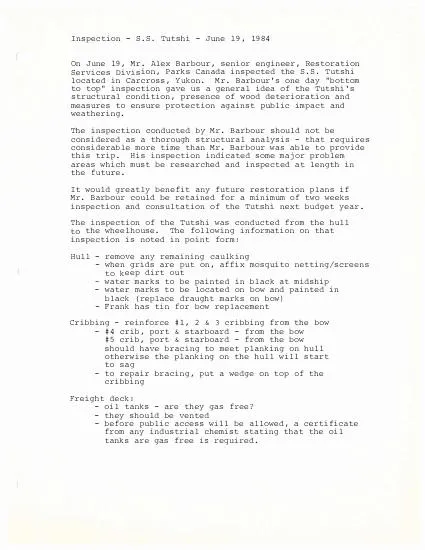
After the Second World War, fewer cruise ships called at Skagway and the lake excursion lost its passengers. Union hiring rules and new safety regulations added to the cost. The excursions ended after the 1955 season, and the Tutshi was hauled out at Carcross for the last time. The Yukon Territorial Government bought her from BYN in 1971 for $1. From 1972 the government stabilized her and moved her onto new cribbing above the spring flood line. Restoration of her interior and exterior continued through the 1980s, and in 1985 asbestos was removed from the boiler, pipes and engines. In June 1984 Alex Barbour of Parks Canada inspected her. He found that the engines had lost almost all their moving parts and every piece of brass and copper, but that the paddlewheel was complete.
Notes on the sources
- Launch date. The Guide Manual gives June 15, 1917 in its text and June 12, 1917 in its specifications.
- Tonnage. The Guide Manual gives gross tonnage as 1,040.51 and registered tonnage as 746.31. The 1987 Intermar survey has the two figures the other way round. Gross tonnage is normally the larger, so this page follows the Guide Manual.
- Fuel costs. Keay says the 1925 oil conversion raised fuel costs, from 57¢ to 75¢ a mile, and that it was made to avoid noisy night wooding and risky landings on Tagish Lake’s rocky shores.
- Engines. Keay credits the 1927 engines to the Detroit Engine and Drydock Works. The Seattle No. 3, built in 1898, worked the lower Yukon until she was abandoned at Dawson in 1924. The original 1917 engines were by the Dubuque Iron Works and probably came from an earlier boat, possibly the CPR’s Stikine River steamer Tyrrell. The Guide Manual says the boiler came from the Tyrrell.
What this page will hold
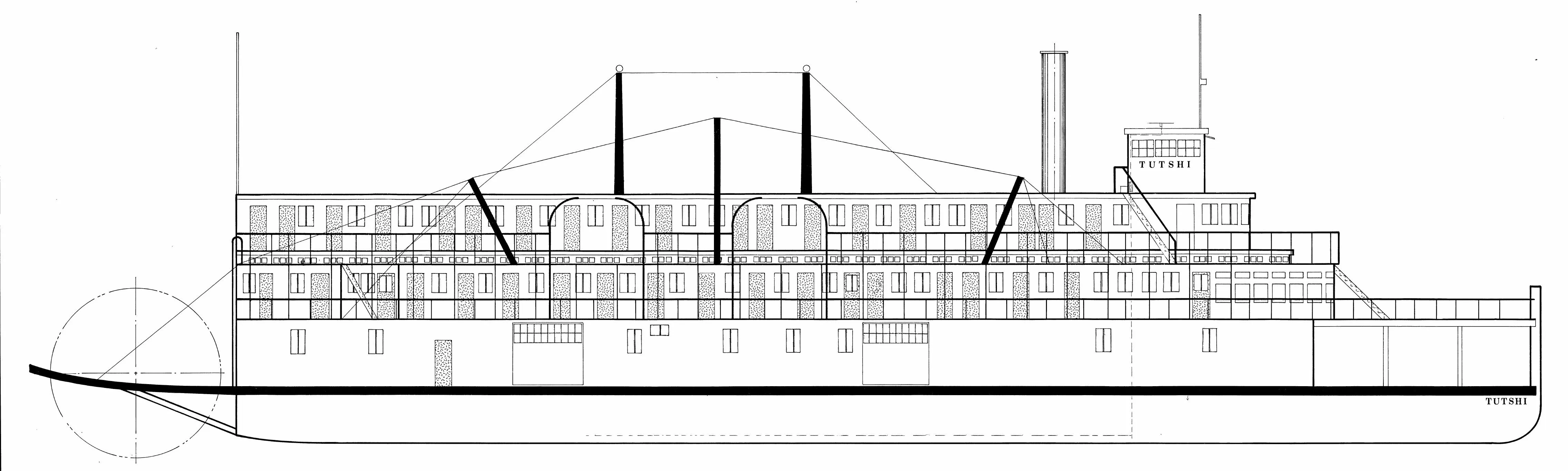
- Particulars from the original drawings (cross section, elevations and deck plans) and the 1980s survey and inspection reports
- A close study of the two engines, with measured photographs
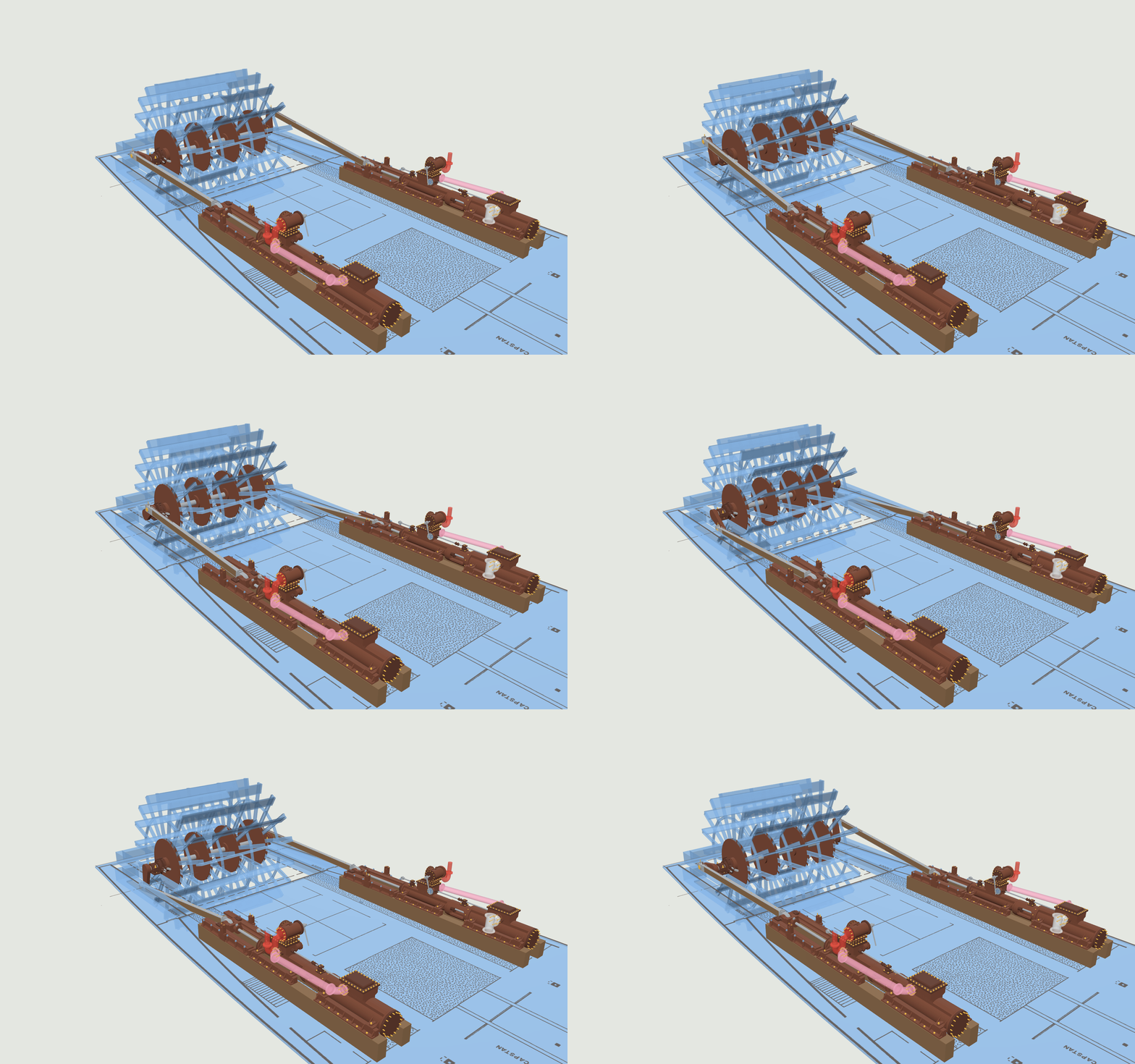
- A 3D reconstruction of the engines, then the hull
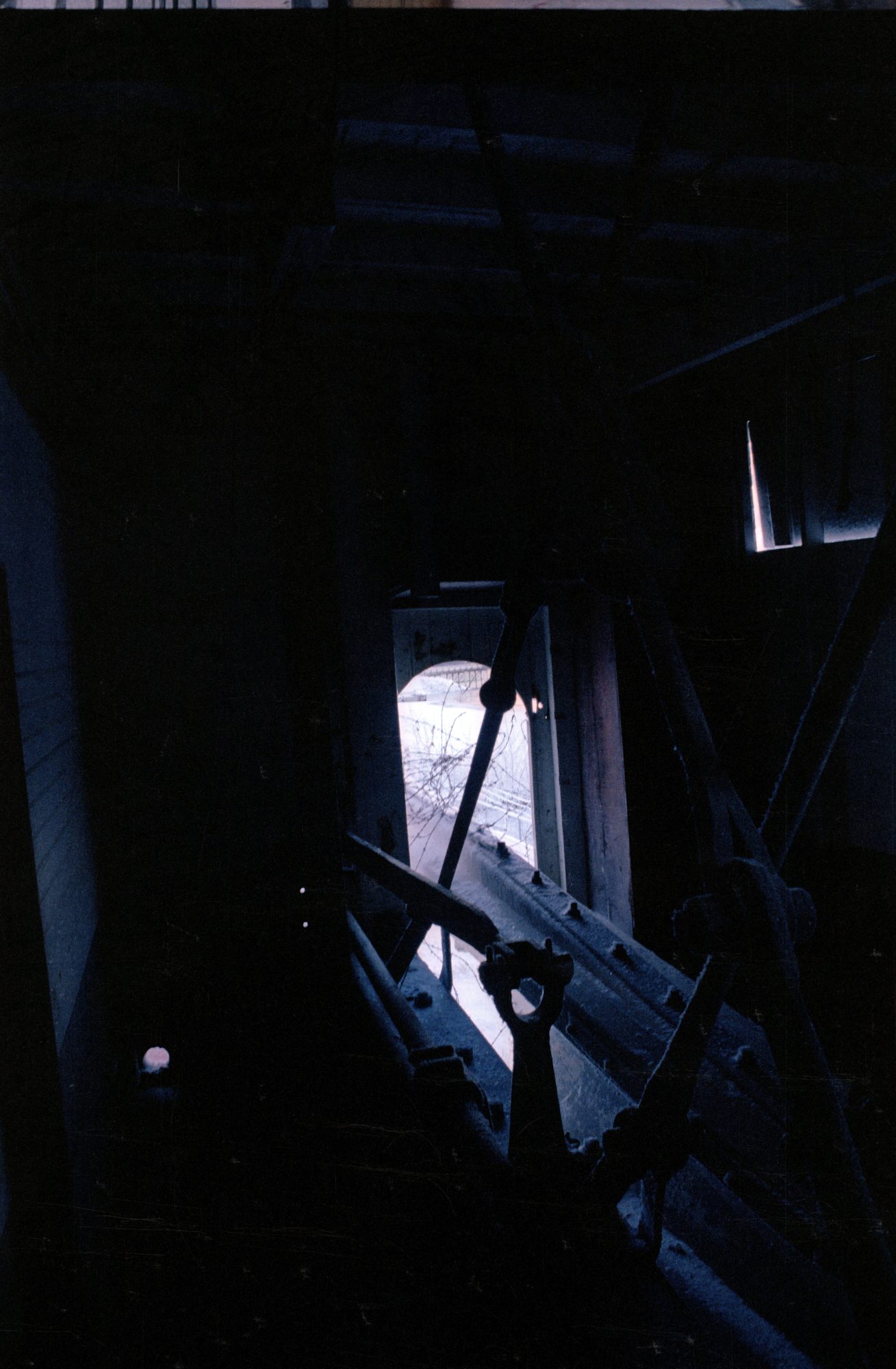
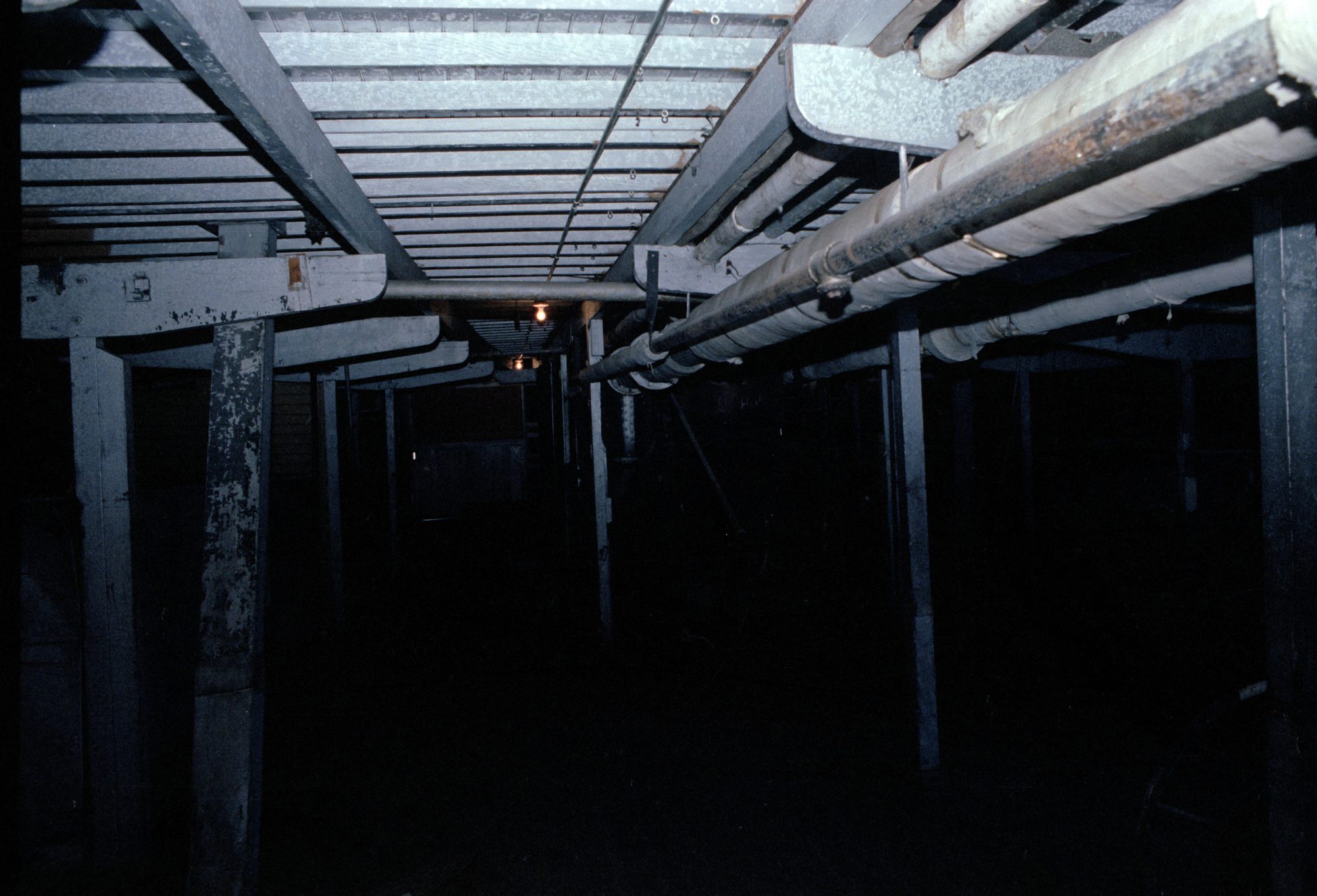
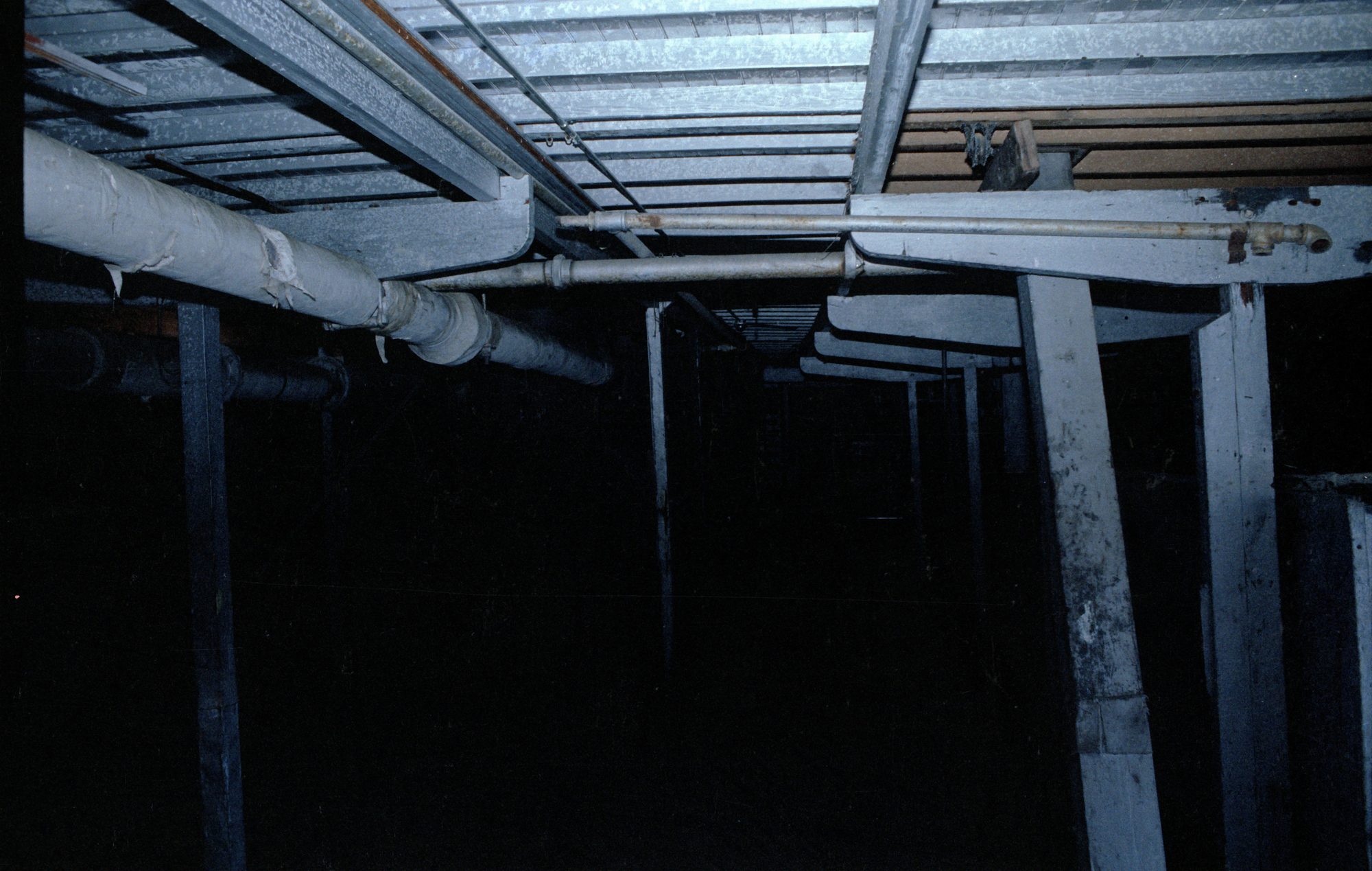
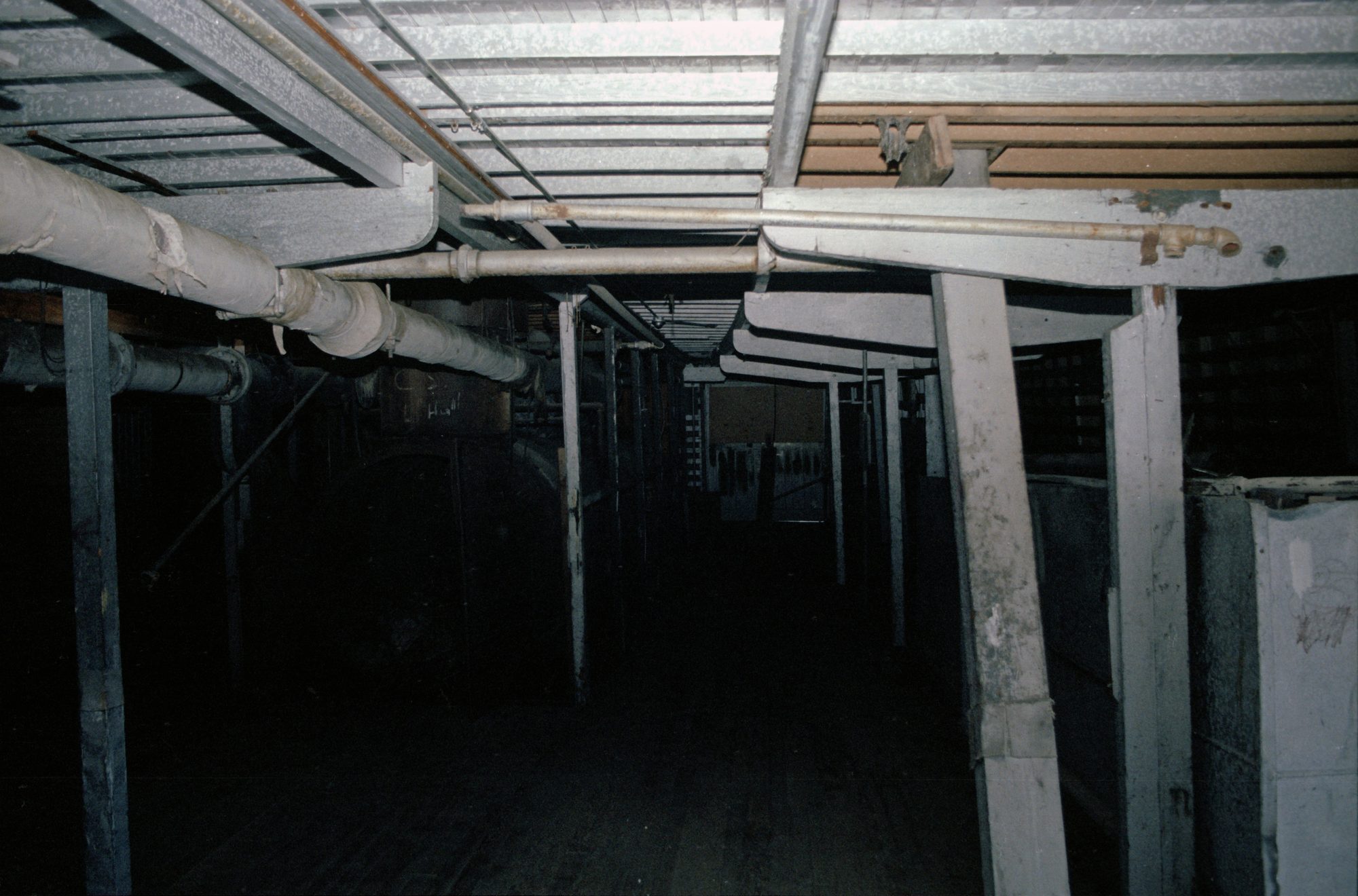
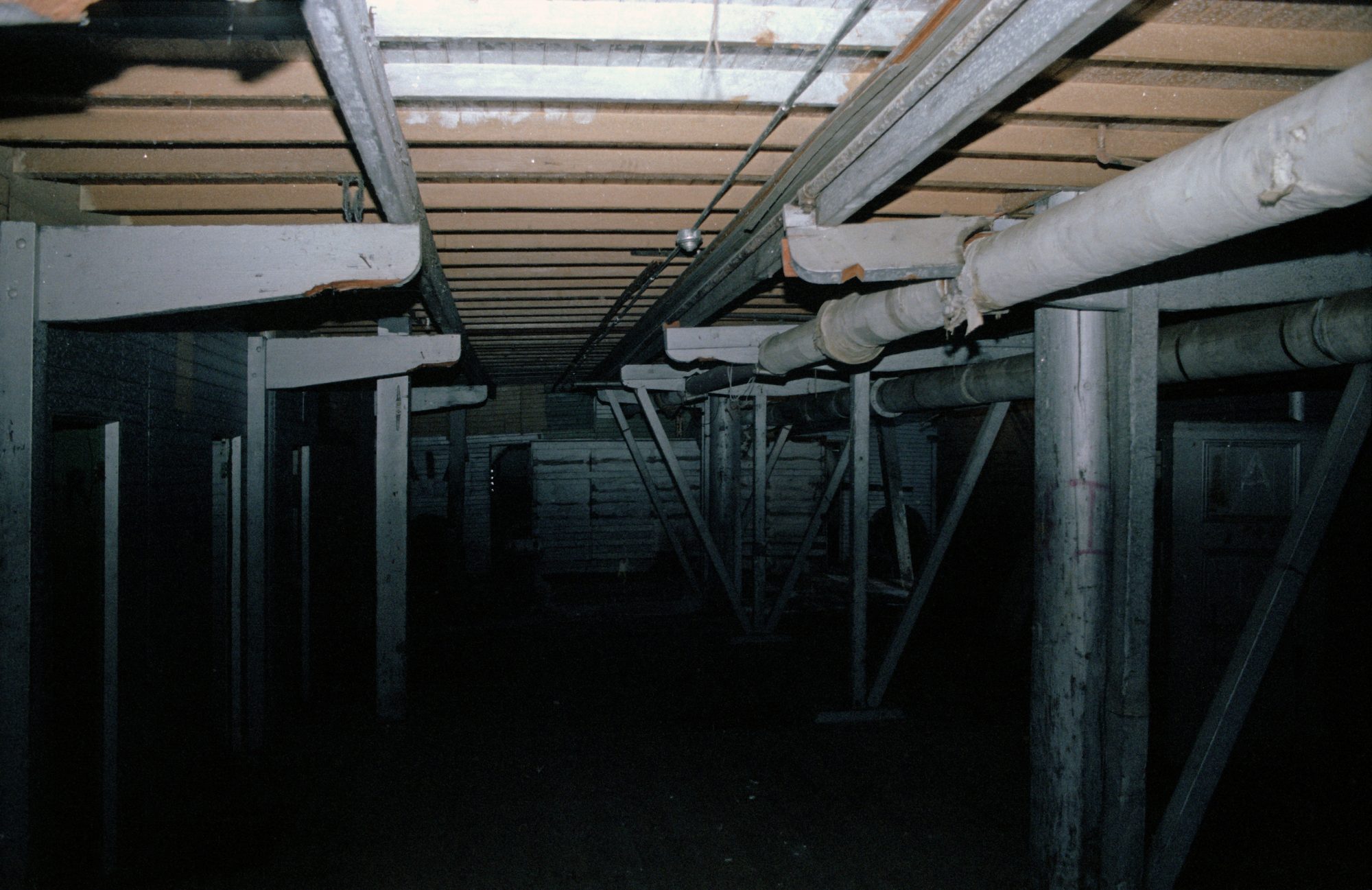
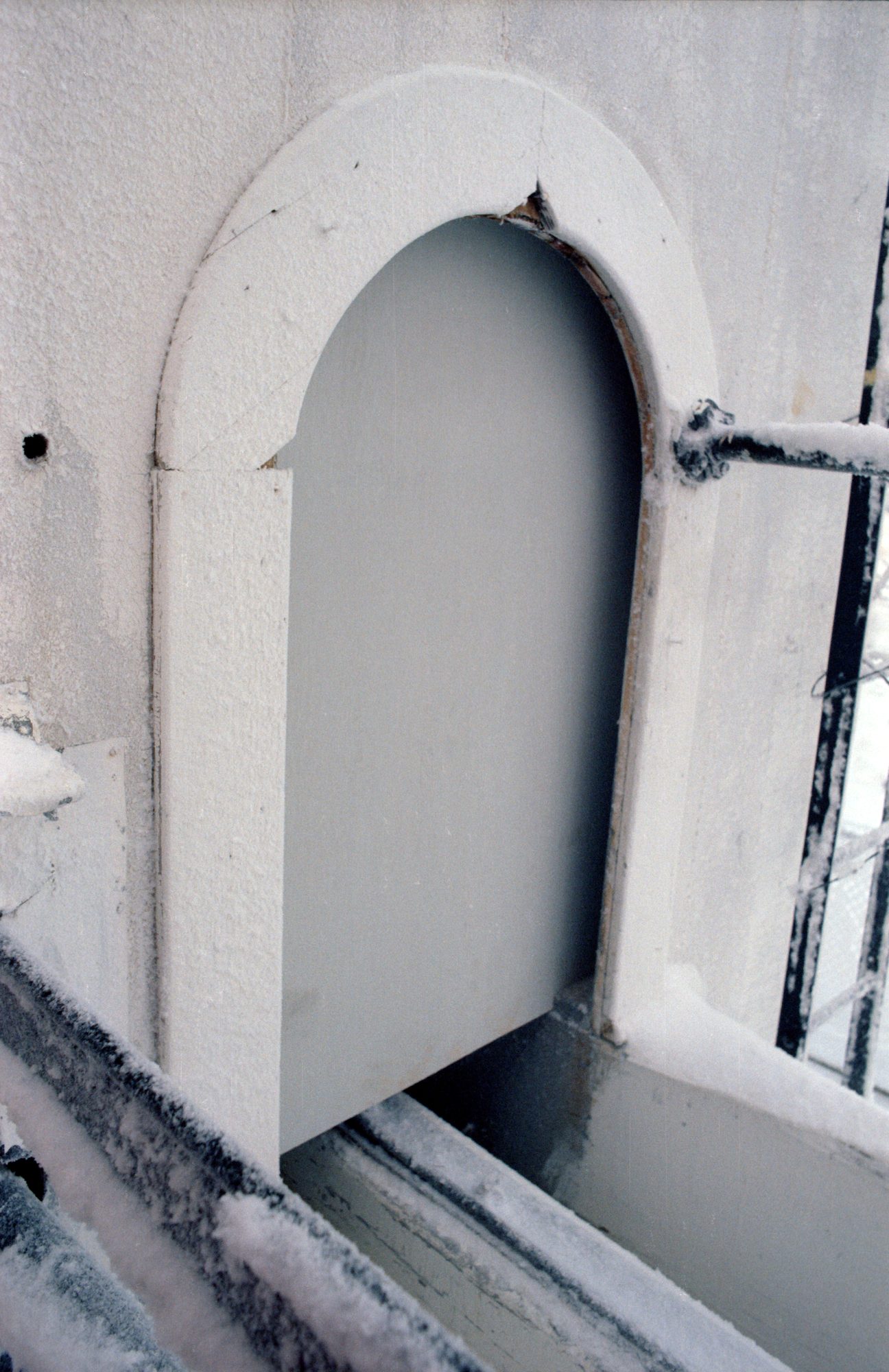
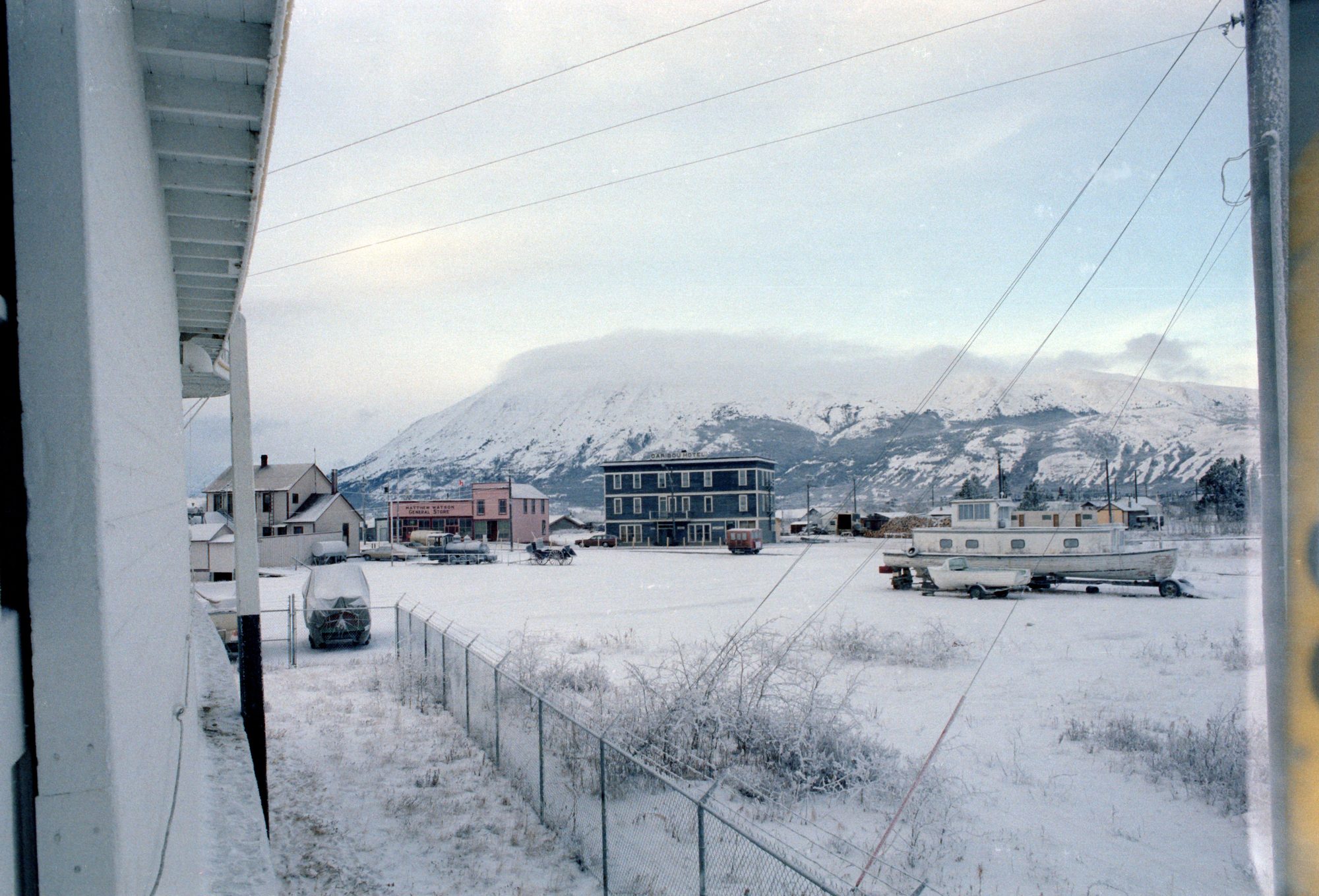
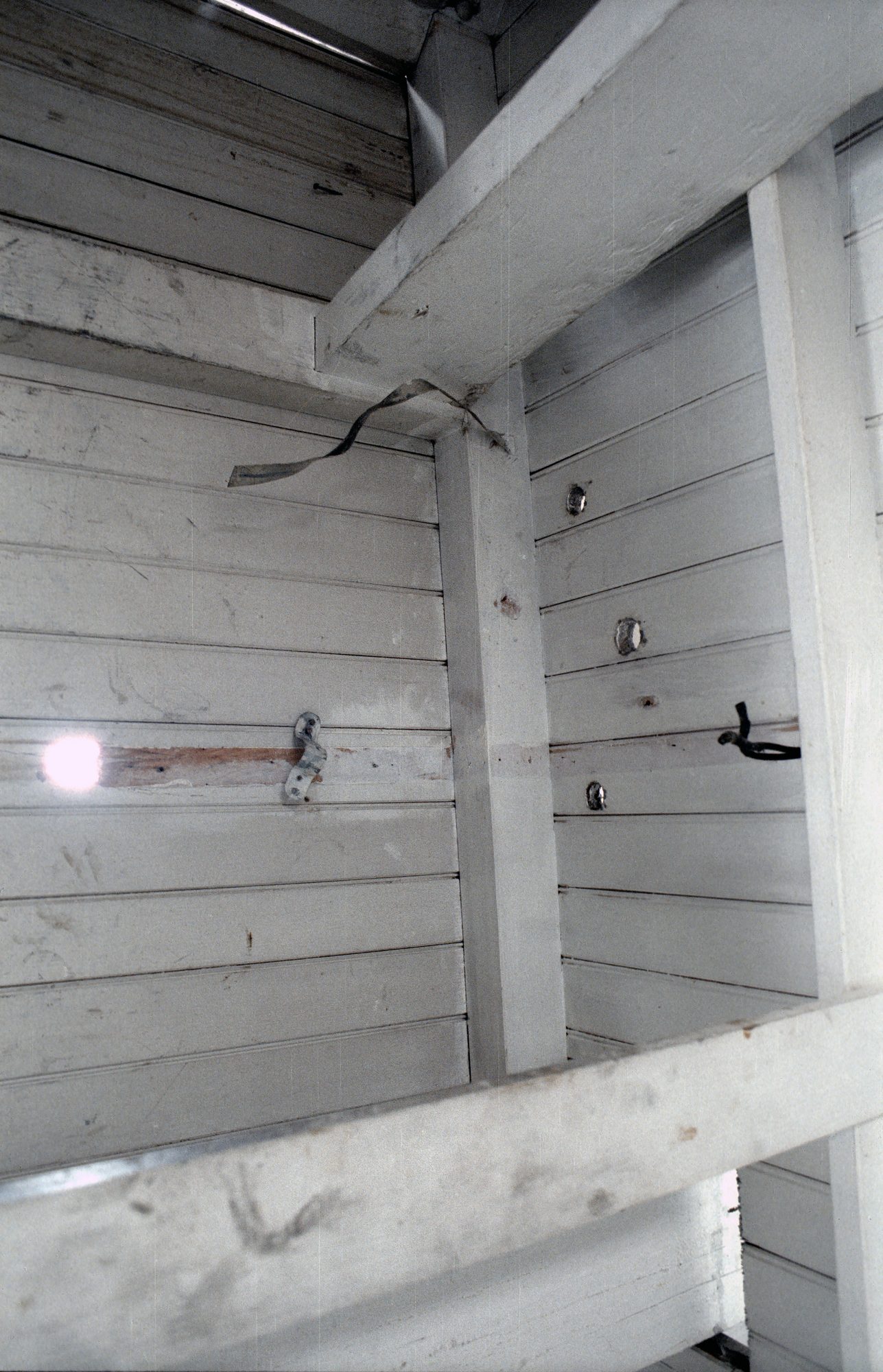
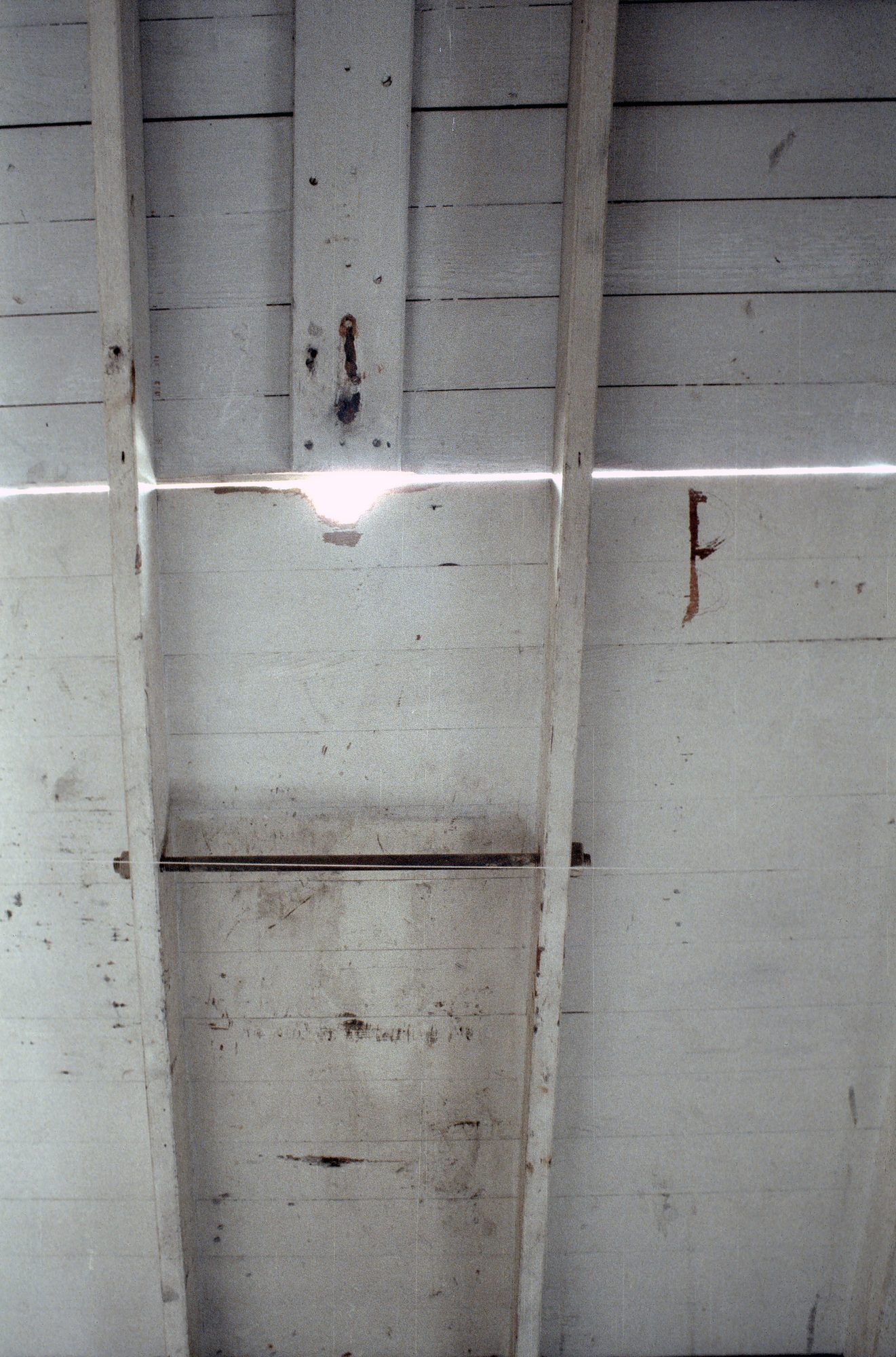
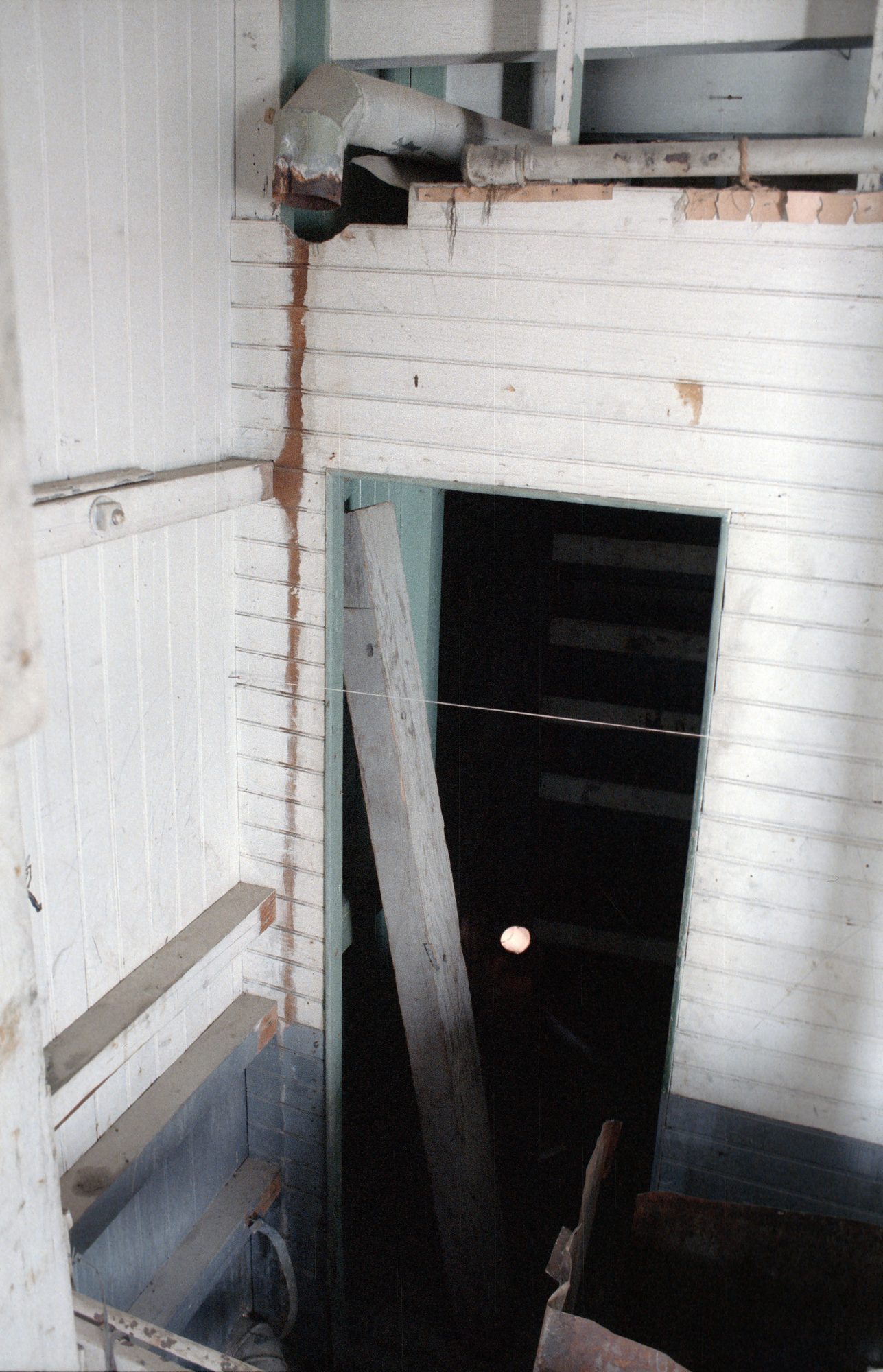
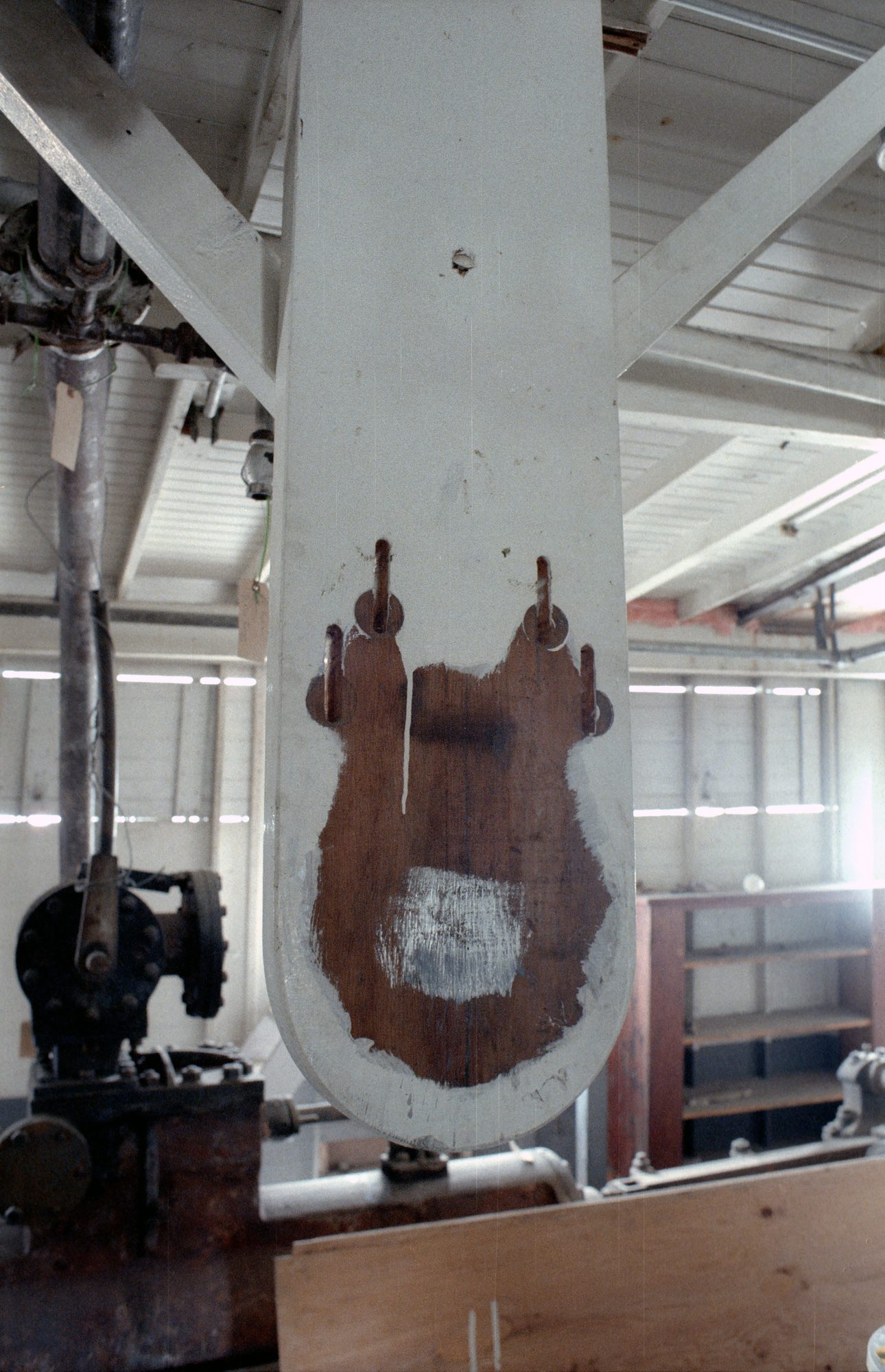
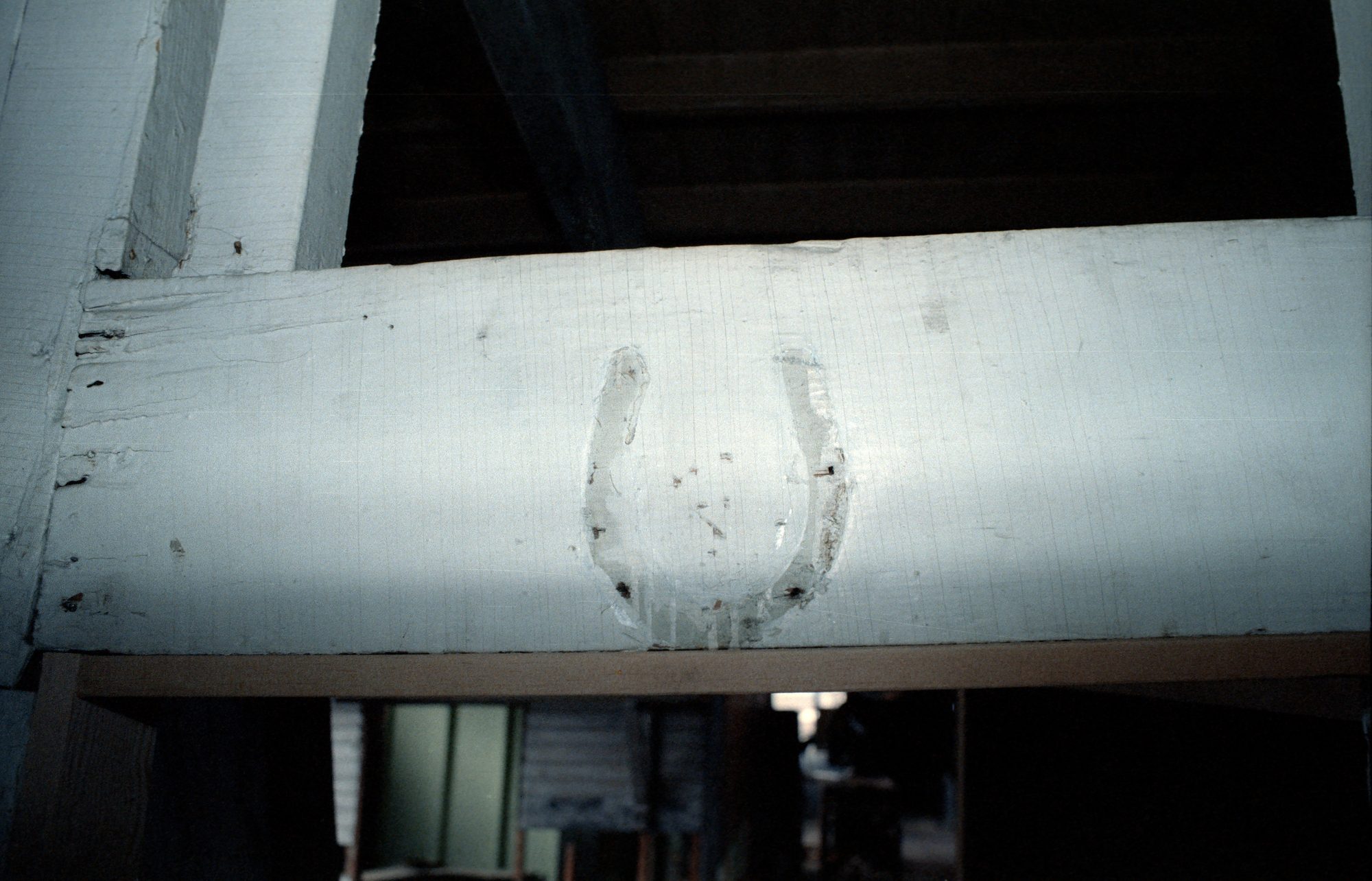
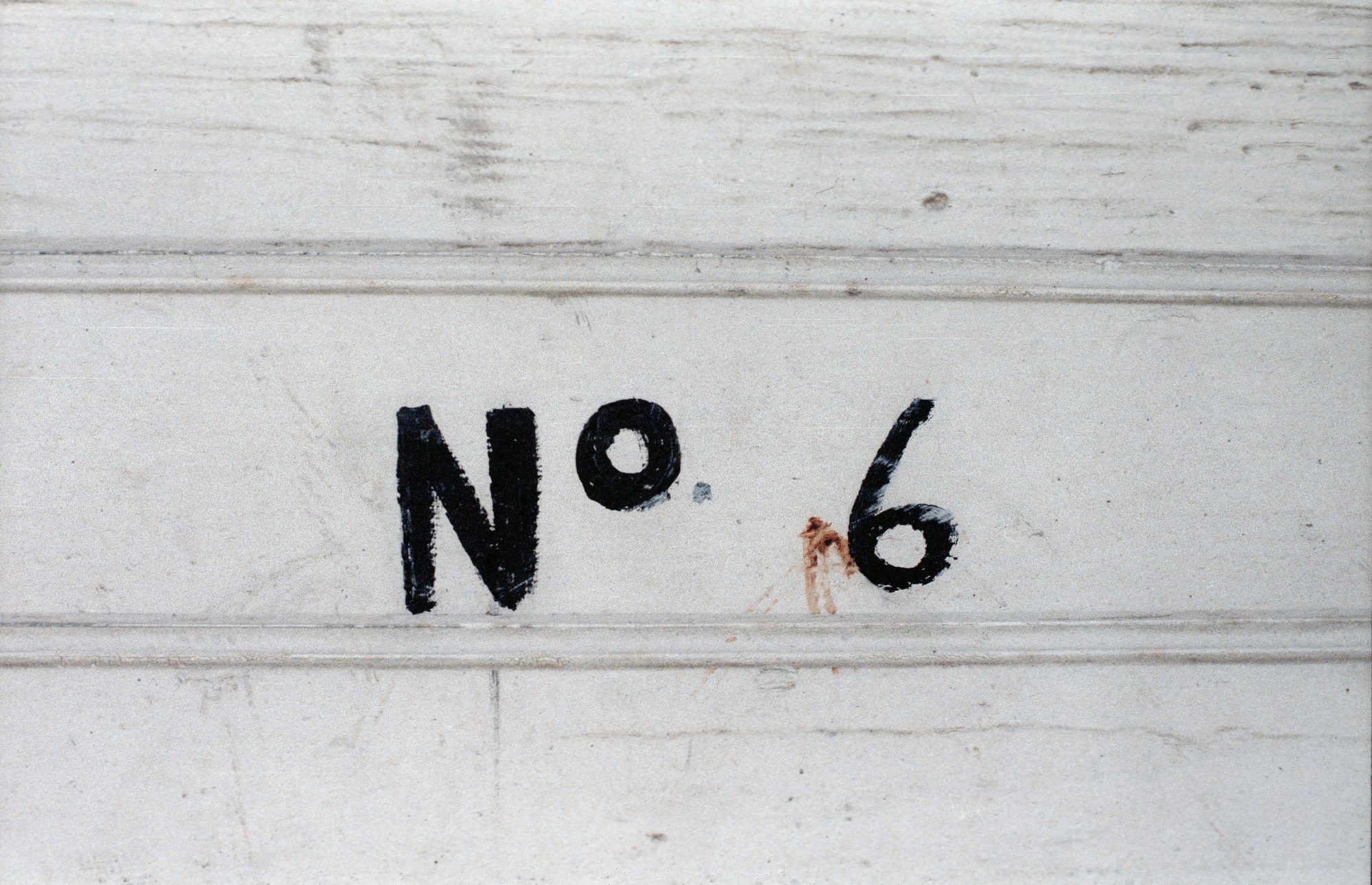
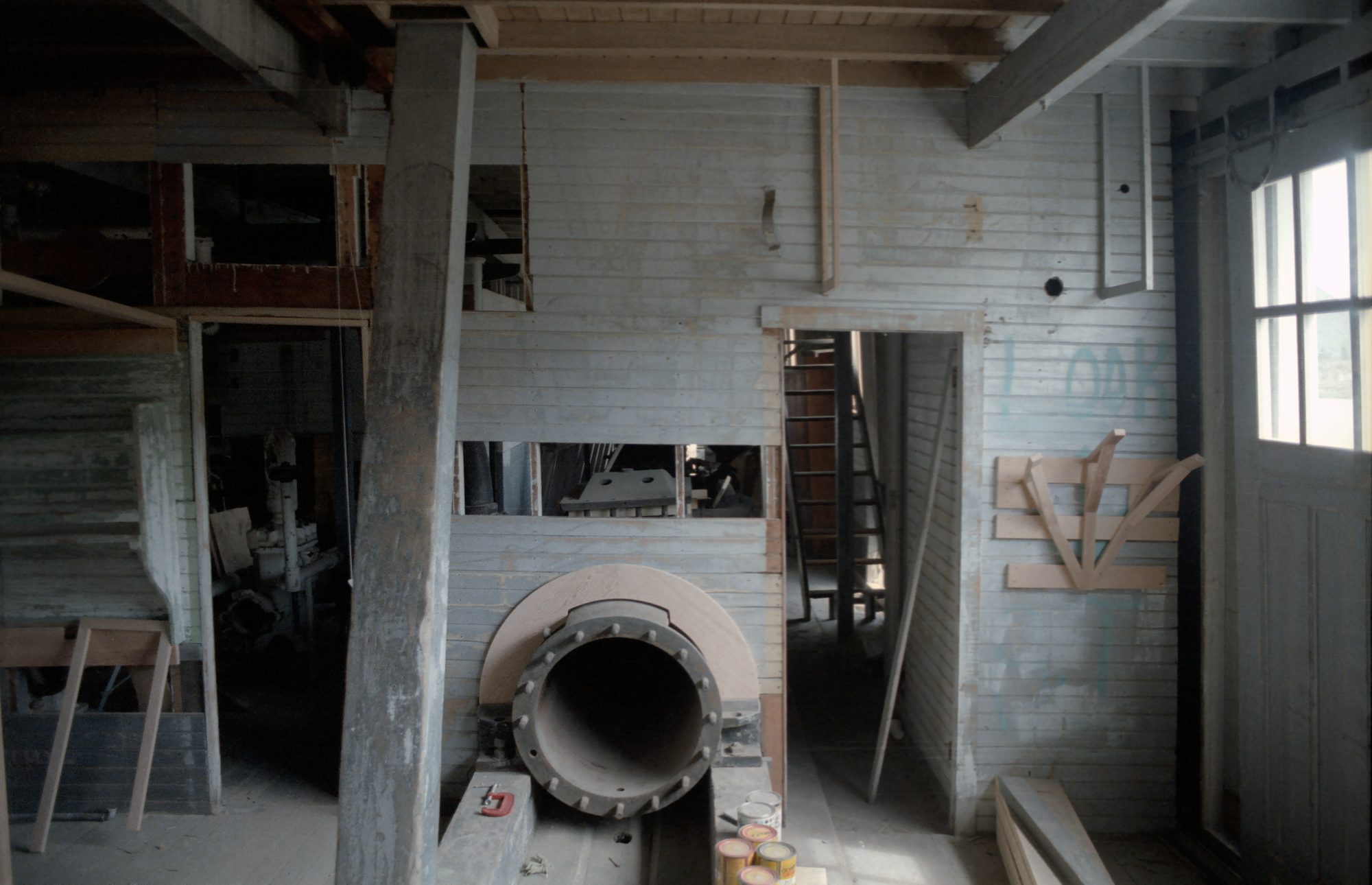
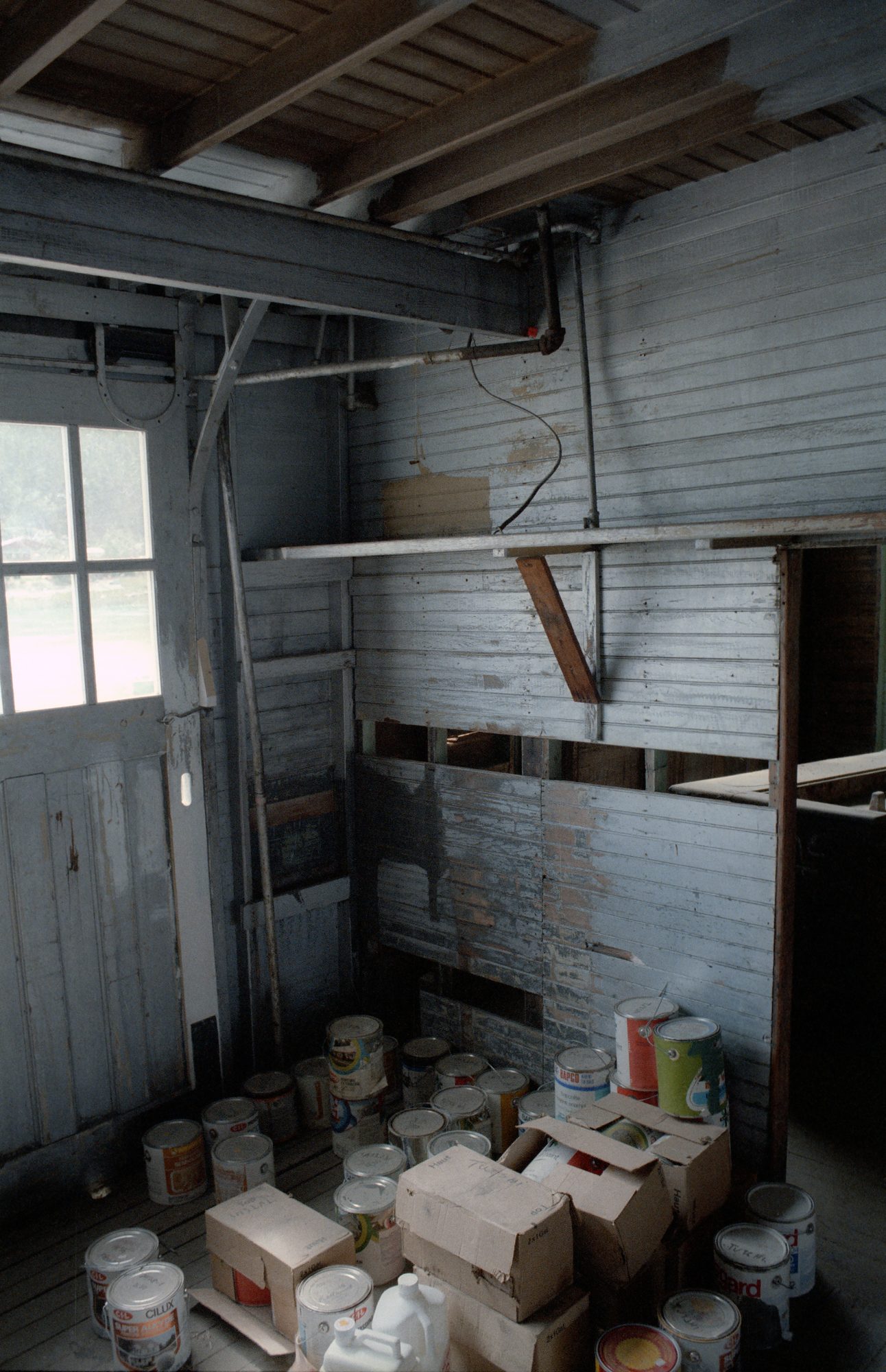
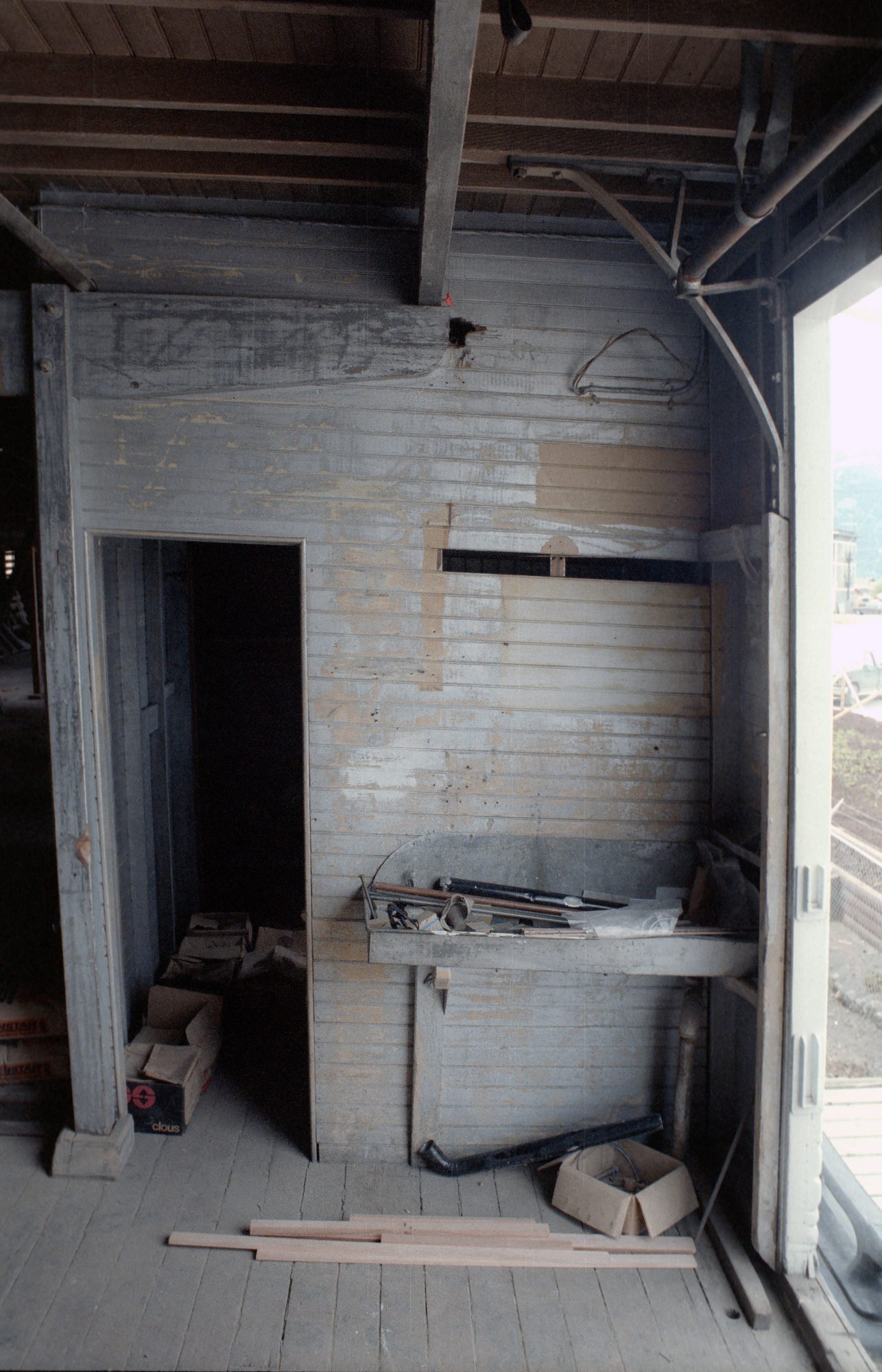
Field photographs on this page were taken by the author at the memorial. The archival photographs, drawings and documents were provided by the Government of Yukon, Historic Sites Unit, and are identified by their original item numbers. The three photograph series show the boat in winter, during interior restoration work, and after the 1990 fire.